
Betreiben Sie Keyword-Recherche immer noch auf die gleiche Weise wie vor 5 Jahren?
Wenn Sie sich ausschließlich auf Begriffe mit hohem Suchvolumen und geringer Konkurrenz konzentrieren, sind Sie möglicherweise im Rückstand.
Die Wahrheit ist, dass sich die Art und Weise, wie Menschen Google nutzen, schnell ändert. Mit dem Aufkommen von KI-Übersichten und der konversationellen Suche gelten die alten Regeln nicht immer. Die Algorithmen werden intelligenter, und Ihre Keyword-Recherchestrategie muss es auch werden.
In diesem Leitfaden teile ich die wichtigsten Tipps und Trends zur Keyword-Recherche, die Ihnen helfen, eine erfolgreiche Strategie für 2026 und darüber hinaus zu entwickeln.
In diesem Artikel
- The Big Shift: 2026 Keyword Research Trends
- 6 Actionable Keyword Research Tips & Strategies
- 1. Zielen Sie auf Keywords mit „Null-Suchvolumen“ ab
- 2. Graben Sie „Häufig gestellte Fragen“ nach Ranking-Gold an
- 3. Erstellen Sie Themencluster (Die Autoritätsstrategie)
- 4. Analysieren Sie die SERPs, bevor Sie schreiben
- 5. Optimieren Sie für konversationelle Long-Tail-Keywords
- 6. Suchen Sie nach „LSI“-Keywords (semantisch verwandte Begriffe)
- How AIOSEO Helps You Execute This Strategy
- Keyword-Recherche-Tipps: Was kommt als Nächstes
- FAQs About Keyword Research Trends
Der große Wandel: Keyword-Recherche-Trends 2026
Bevor ich auf die spezifischen Tipps eingehe, müssen Sie die Landschaft verstehen. Hier sind die 3 größten Trends bei der Keyword-Recherche, die SEO derzeit prägen.
Der Aufstieg von KI-Übersichten
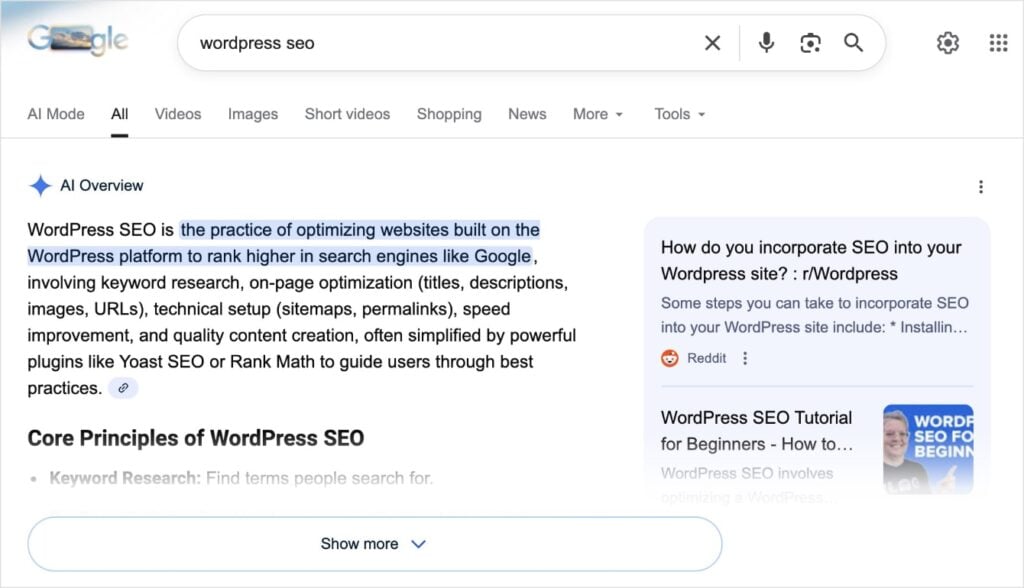
Google beantwortet Fragen zunehmend direkt am Anfang der Suchergebnisse mit KI-generierten Zusammenfassungen.
Das bedeutet, dass Nutzer bei einfachen Informationsanfragen möglicherweise nicht einmal auf eine Website klicken.
Um 2026 erfolgreich zu sein, müssen Sie komplexe, nuancierte Fragen ansprechen, die KI nicht mit einem einzigen Satz beantworten kann.
Sie müssen auch Ihre Website optimieren, um in diesen KI-Übersichten zu erscheinen. (Klingt widersprüchlich, oder? Keine Sorge, ich erkläre Ihnen später, wie das geht.)
Konversationelle Suche ist König
Die Leute fangen an, mit Suchmaschinen zu sprechen, wie sie mit Freunden sprechen. Anstatt „Brautjungfernkleid“ einzugeben, fragen sie: „Was soll ich im Oktober zu einer Hochzeitsfeier im Freien tragen?“
Ihre Keyword-Recherchestrategie muss sich auf diese natürlichen, konversationellen Formulierungen konzentrieren.
Nutzerintention > Suchvolumen
Die Jagd nach hohen Suchvolumenzahlen ist weniger wichtig als je zuvor. Ein Keyword mit 10.000 monatlichen Suchanfragen ist nutzlos, wenn diese Leute nicht das kaufen, was Sie verkaufen.
Das kluge Geld liegt darin, Keywords mit der richtigen Absicht zu finden – auch wenn das Volumen niedriger ist.
Warum Sie mir vertrauen sollten
Ich arbeite seit über 6 Jahren im SEO-Bereich und habe miterlebt, wie sich die Landschaft von einfachem Keyword-Stuffing zu den komplexen KI-gesteuerten Algorithmen entwickelt hat, die wir heute sehen.
Ich lese nicht nur über diese Änderungen; ich teste ständig neue Strategien auf echten Websites, um zu sehen, was wirklich etwas bewirkt. Ich werde Ihnen die genaue Keyword-Recherchestrategie verraten, die ich verwende, um Inhalte ranken zu lassen, egal wie sich der Algorithmus ändert.
6 umsetzbare Keyword-Recherche-Tipps & Strategien
Trends zu kennen ist eine Sache; darauf zu reagieren eine andere. Hier sind 6 praktische Keyword-Recherche-Tipps, die Ihnen helfen, eine zukunftssichere Strategie zu entwickeln.
1. Zielen Sie auf Keywords mit „Null Suchvolumen“
Ignorieren Sie ein Keyword nicht nur, weil Ihr Tool „0“ Suchvolumen anzeigt. Diese Tools sind Schätzungen, keine Fakten.
„Null-Suchvolumen“-Keywords sind oft hochspezifische, Long-Tail-Phrasen mit extrem spezifischer Absicht. Zum Beispiel könnte „beste CRM für Unterwasser-Korbflecht-Unternehmen“ kein Volumen anzeigen, aber wenn Sie diese Software verkaufen, ist die Person, die danach sucht, Ihr perfekter Kunde.
Scheuen Sie sich nicht, diese hyper-relevanten Begriffe anzuzielen. Sie konvertieren oft besser als Keywords mit hohem Volumen.
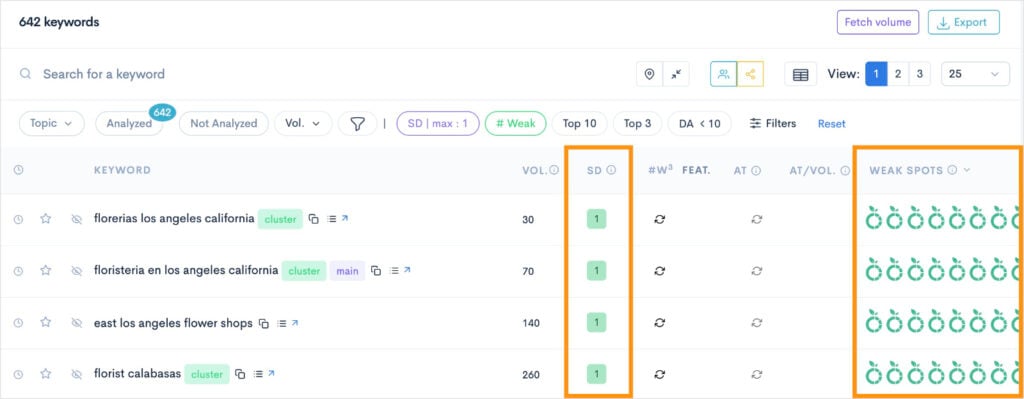
Profi-Tipp: Ich verwende LowFruits für die Long-Tail-Keyword-Recherche. Dieses Tool analysiert die SERPs auf Keywords mit geringem Wettbewerb und hohen Konversionsraten. Achten Sie auf niedrige SERP-Schwierigkeitswerte (Keyword-Schwierigkeit) und mehrere Schwachstellen (Domains mit niedriger Autorität, die ranken) für die besten Keywords, die Sie anvisieren können.
2. Graben Sie „Nutzer fragen auch“ nach Ranking-Gold aus
Google sagt Ihnen, was Ihr Publikum wissen möchte. Sie müssen nur wissen, wo Sie suchen müssen.
Suchen Sie nach Ihrem Hauptthema und schauen Sie sich die Box „Nutzer fragen auch“ (PAA) an. Dieser Abschnitt der Suchmaschinenergebnisseiten (SERPs) zeigt Fragen an, die sich auf die Suchanfrage des Nutzers beziehen.
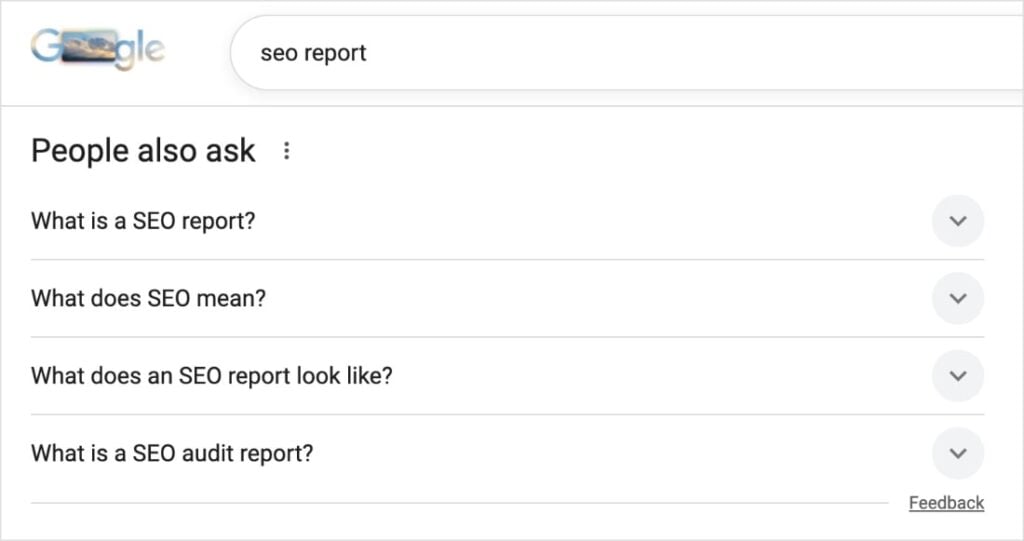
Wenn Sie auf einige der Fragen klicken, um sie zu erweitern, löst dies aus, dass Google noch mehr verwandte Fragen lädt. Sammeln Sie diese Fragen und beantworten Sie sie direkt in Ihrem Inhalt, idealerweise mit einem FAQ-Schema.
Dies ist eine der effektivsten Methoden, um Traffic zu erfassen und für mehrere Long-Tail-Variationen zu ranken.
Profi-Tipp: Schauen Sie sich unseren Leitfaden an, wie Sie für „Nutzer fragen auch“ optimieren. Dieses Tutorial hilft Ihnen, Inhalte zu erstellen, die eine hohe Chance haben, in diesem begehrten Bereich der SERPs zu ranken.
3. Erstellen Sie Themencluster (Die Autoritätsstrategie)
Hören Sie auf, über einzelne Keywords nachzudenken, und denken Sie über ganze Themen nach.
Google (und Nutzer) schätzen eine umfassende Themenabdeckung. Es hilft Nutzern, alle Informationen, nach denen sie suchen, an einem Ort zu erhalten, hält Besucher länger auf Ihrer Website und erhöht das Engagement.
Themencluster sind eine großartige Möglichkeit, dies zu erreichen. Sie verwenden ein „Hub-and-Spoke“-Modell.
- Der Hub (Pillar Page): Erstellen Sie einen umfassenden Leitfaden, der auf ein breites Keyword mit hohem Suchvolumen abzielt (z. B. „Digital Marketing“).
- Die Spokes (Cluster Content): Schreiben Sie unterstützende Artikel, die auf spezifische, verwandte Long-Tail-Keywords abzielen (z. B. „E-Mail-Marketing-Tipps“, „Social-Media-Strategie“).
- Der Link: Verlinken Sie alle Spokes intern zurück zum Hub und den Hub zu den Spokes. Diese Struktur teilt Google mit, dass Sie eine Autorität für das gesamte Thema sind, und verbessert das Ranking all Ihrer Seiten.
Pillar-Seite | Cluster-Inhalt |
|---|---|
| Der ultimative Leitfaden für gesunde Ernährung | Vorteile gesunder Ernährung Gesunde Rezepte Ernährungstipps Mahlzeitenplanung Superfoods: Vor- und Nachteile Bestandteile einer ausgewogenen Ernährung Diät-Trends, die man vermeiden sollte. |
4. Analysieren Sie die SERPs, bevor Sie schreiben
Daten sind großartig, aber die SERP ist die ultimative Wahrheit. Bevor Sie ein einziges Wort schreiben, suchen Sie nach Ihrem Fokus-Keyword und analysieren Sie, was Google bereits rankt.
- Suchintention prüfen: Wenn Sie nach „die besten Kopfhörer“ suchen und nur E-Commerce-Produktseiten sehen, wird ein Blogbeitrag wahrscheinlich nicht ranken. Ihr Inhalt muss mit der bestehenden Suchintention übereinstimmen.
- Formatübereinstimmung: Sind die Top-Ergebnisse „Anleitungen“, Listen oder Videos? Passen Sie Ihr Inhaltsformat an das an, was Google bereits belohnt. Wenn die Top 5 Ergebnisse Videos sind, möchten Sie ein Video in Ihren Beitrag einbetten, um konkurrieren zu können.
5. Optimieren Sie für konversationelle Long-Tail-Keywords
Mit dem Aufkommen der Sprachsuche und KI-Chats nutzen die Menschen mehr denn je natürliche Sprache. Anstatt nach Roboter-Sprache wie „billiger Flug NY nach London“ zu suchen, zielen Sie auf den vollständigen Satz ab: „Was ist die billigste Zeit, um von New York nach London zu fliegen?“
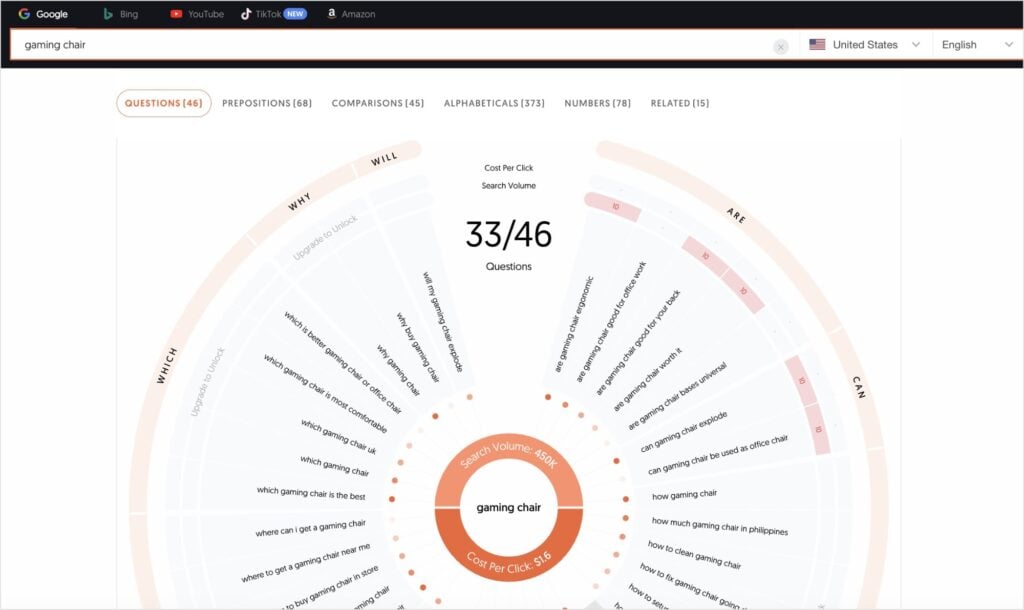
Um diese zu finden, denken Sie über die Probleme nach, die Ihre Zielgruppe hat. Nutzen Sie Tools wie AnswerThePublic (siehe unten) oder hören Sie einfach auf die Fragen, die Ihre Kunden in Support-E-Mails stellen. Die Optimierung für diese natürlichen Phrasen erhöht die Wahrscheinlichkeit, dass Ihre Inhalte von KI-Assistenten aufgegriffen werden.
6. Achten Sie auf „LSI“-Keywords (semantisch verwandte Begriffe)
Google sucht nicht mehr nur nach Ihrem Hauptkeyword; es sucht nach Kontext.
Latent Semantic Indexing (LSI)-Keywords sind Begriffe, die konzeptionell mit Ihrem Hauptthema verwandt sind. Wenn Sie beispielsweise über „Apple“ schreiben, sucht Google nach Wörtern wie „Kuchen“, „Obstgarten“ und „Frucht“, um zu wissen, dass Sie das Essen meinen, oder nach „iPhone“, „Mac“ und „Cook“, um zu wissen, dass Sie das Technologieunternehmen meinen.
Das Streuen dieser verwandten Begriffe in Ihrem Inhalt hilft Google, die Tiefe und den Kontext Ihres Artikels zu verstehen, was Ihre Rankings verbessern kann.
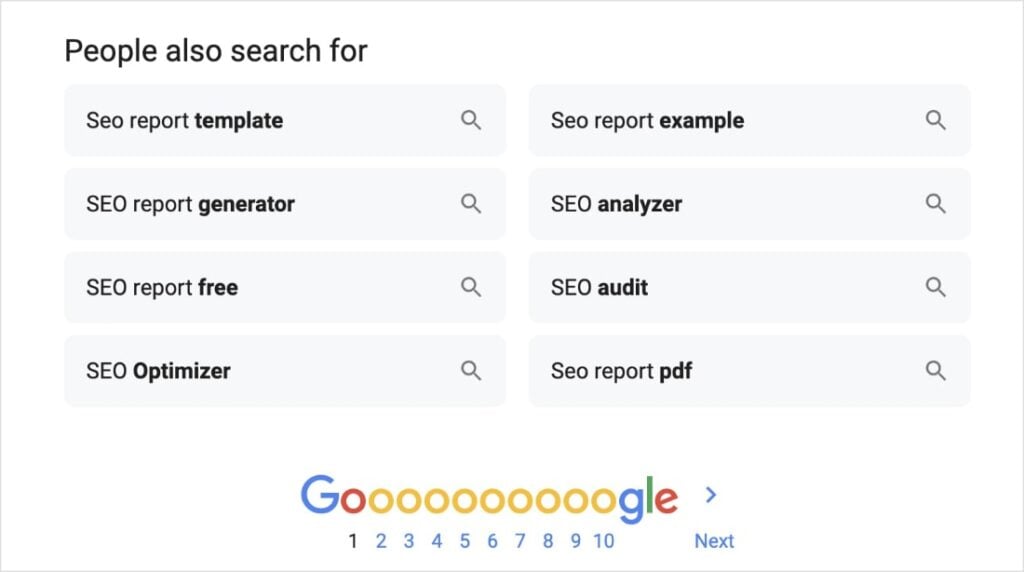
Diese finden Sie leicht am Ende der Google-Suchergebnisse unter „Andere suchten auch“ oder „Verwandte Suchanfragen“.
Wie AIOSEO Ihnen hilft, diese Strategie umzusetzen
Sie müssen diese Keyword-Recherchestrategie nicht alleine verwalten. Das richtige Werkzeug ermöglicht es Ihnen, sie einfach und in großem Umfang auszuführen.
All in One SEO (AIOSEO) ist das beste SEO-Plugin auf dem Markt. Es spart Ihnen Zeit bei der Optimierung Ihrer Website und stellt sicher, dass Sie keine Ranking-Möglichkeiten verpassen.
Hier erfahren Sie, wie es Ihnen hilft, die in diesem Beitrag behandelten Tipps zur Keyword-Recherche umzusetzen:
1. Finden Sie neue Keywords direkt in WordPress
Haben Sie es satt, Tabs zu wechseln, um Keywords zu finden und das Suchvolumen zu überprüfen?
Ich mache viel Keyword-Recherche und weiß, wie zeitaufwendig es sein kann, ständig die Tools zu wechseln, während man versucht zu schreiben. Deshalb schätze ich, wie AIOSEO direkt in Semrush integriert ist, eines der Top-Tools für die Keyword-Recherche.
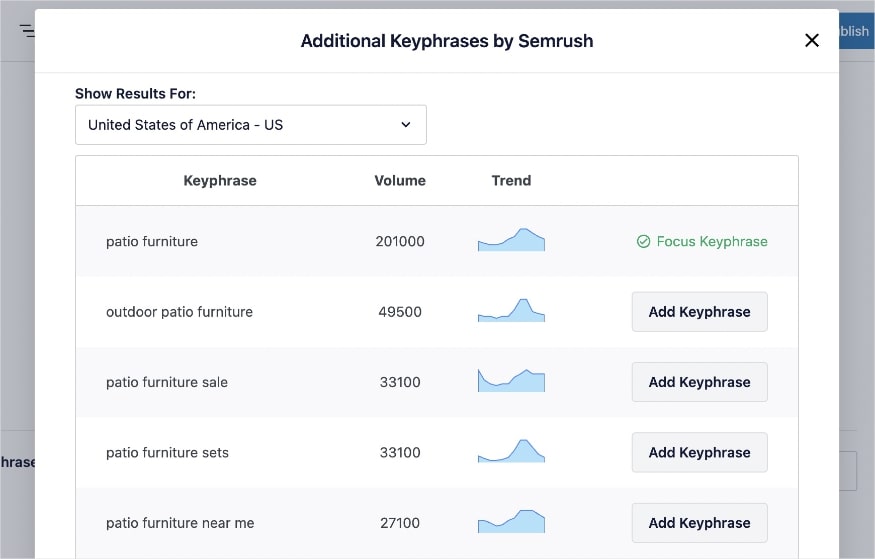
Wenn Sie eine Fokus-Schlagwörter für Ihren Beitrag festlegen, können Sie auf eine Schaltfläche klicken, um „Zusätzliche Schlagwörter abrufen“.
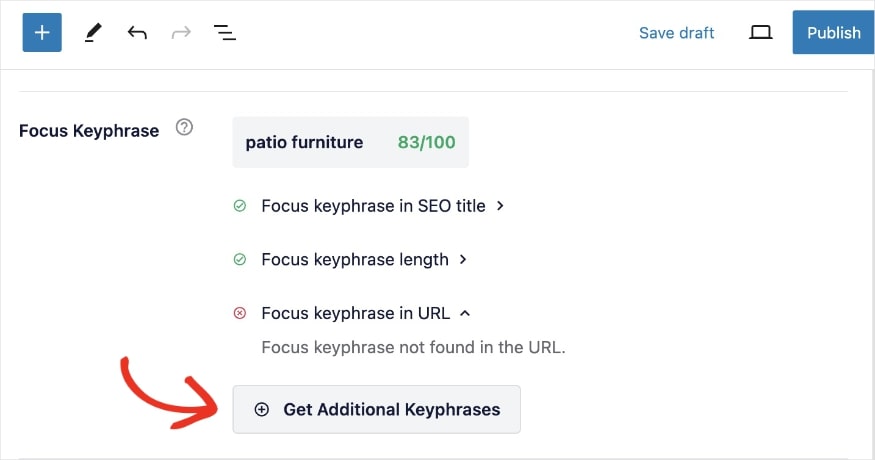
AIOSEO zeigt Ihnen eine Liste von verwandten Schlüsselwörtern zusammen mit ihrem Suchvolumen und Trends.
Dies erleichtert das Finden dieser LSI-Schlüsselwörter und Long-Tail-Variationen, die wir besprochen haben, und hilft Ihnen, Ihre Themencluster aufzubauen, ohne jemals Ihren Editor zu verlassen.
2. Perfektionieren Sie Ihre Optimierung mit TruSEO
Die Ausrichtung auf ein Schlüsselwort ist sinnlos, wenn Ihr Inhalt nicht dafür optimiert ist.
Die TruSEO On-Page-Analyse von AIOSEO fungiert als Ihr persönlicher SEO-Coach. Während Sie schreiben, bewertet sie Ihre Inhalte und gibt Ihnen eine umsetzbare Checkliste.
Hier sehen wir die Fokus-Schlagwörter-Checkliste, die Ihr primäres Schlüsselwort in allen kritischen Bereichen überprüft.

Es gibt auch eine Lesbarkeits-Checkliste, die analysiert, wie einfach es für Benutzer ist, Ihre Inhalte zu lesen und zu verstehen.
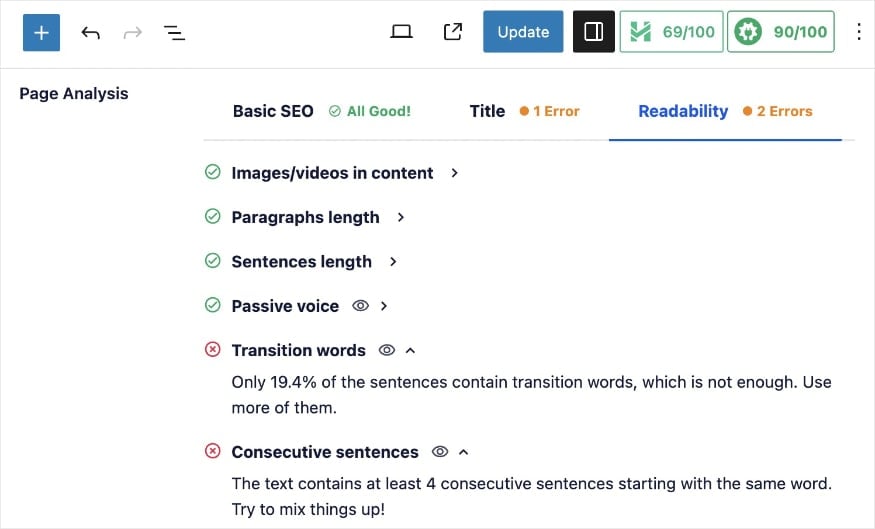
Profi-Tipp: Die Lesbarkeitsprüfungen werden nicht bestanden? Erfahren Sie hier, wie Sie Ihre Lesbarkeit verbessern können.
3. Fügen Sie ganz einfach FAQ-Schema hinzu
Wir haben über die Wichtigkeit gesprochen, Benutzerfragen zu beantworten. AIOSEO macht dies technisch einfach mit seinem FAQ-Block.
Um diese Funktion zu nutzen, suchen Sie einfach nach dem Block „AIOSEO – FAQ“ und fügen Sie ihn zu Ihrem gewünschten Beitrag oder Ihrer Seite hinzu.
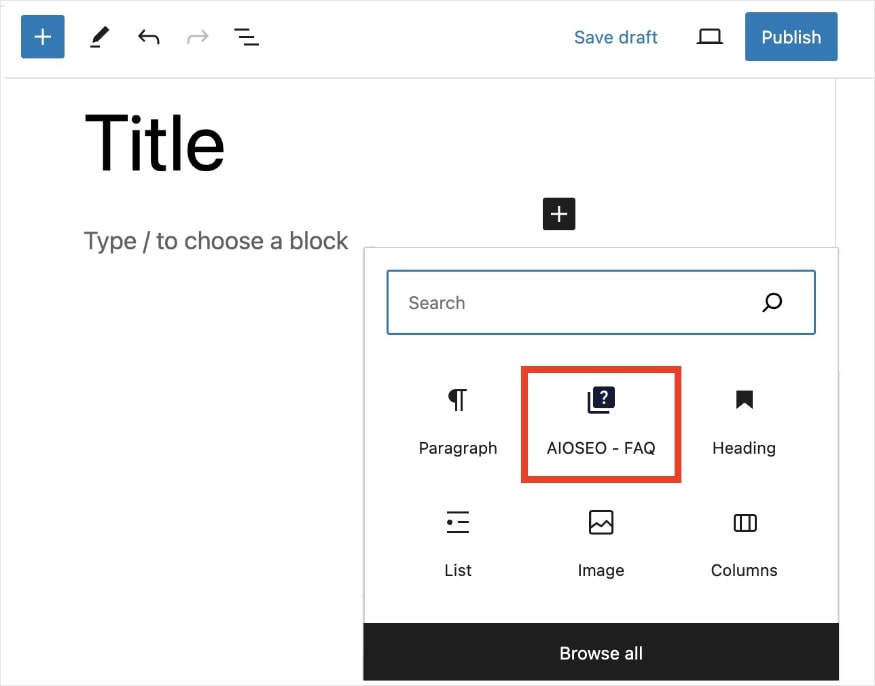
Dadurch wird eine FAQ-Box geöffnet, in der Sie Ihre Frage und Antwort hinzufügen können.
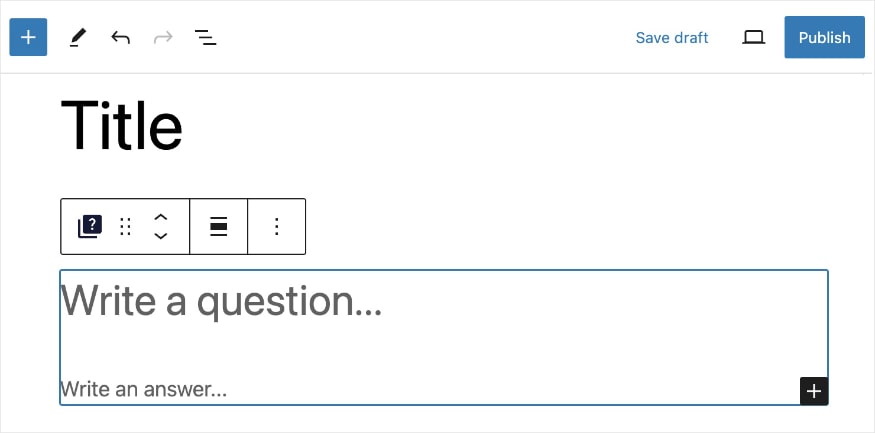
Das Plugin fügt Ihrem Beitrag automatisch FAQ-Schema hinzu, sodass Suchmaschinen Ihre Inhalte leicht verstehen können. Es erhöht auch Ihre Chancen, in den Google „Nutzer fragen auch“-Ergebnissen zu ranken.
Profi-Tipp: Wenn Sie KI in Ihren Content-Erstellungsprozess einbeziehen möchten, empfehle ich dringend die Verwendung des KI-Assistenten. Sie können eine Eingabeaufforderung eingeben und ihn bitten, FAQs für Sie zu schreiben. Er verwendet den umgebenden Inhalt, um sie für Ihre Seite relevant zu machen.

4. Schreiben Sie bessere Titel mit KI
Die Optimierung für konversationelle Suche bedeutet, Titel zu schreiben, die menschliche Leser fesseln.
Der KI-Content-Generator von AIOSEO kann sofort eingängige, klickwürdige Überschriften brainstormen. Er integriert Ihre Schlüsselwörter auf natürliche Weise und hilft Ihnen, Ihre Klickrate (CTR) mit null Aufwand zu verbessern.
Um dieses Tool zu verwenden, klicken Sie einfach auf die KI-Schaltfläche neben dem Feld Beitragstitel im WordPress-Editor. (Diese Funktion funktioniert auch für die Meta-Beschreibung.)

Wählen Sie dann den Ton und die Zielgruppe für Ihren SEO-Titel-Tag.
Sobald Sie Ihre Auswahl getroffen haben, klicken Sie auf SEO-Titel generieren.

Von hier aus können Sie jeden der KI-generierten Titel auswählen und ihn durch Klicken auf die Plus-Schaltfläche (+) zu Ihrem Beitrag hinzufügen.

Es ist schnell und garantiert Ihnen einen überzeugenden, schlüsselwortreichen Titel, der keinerlei Aufwand erforderte.
Keyword-Recherche-Tipps: Was kommt als Nächstes
Wenn wir uns 2026 bewegen, ist die gewinnende Keyword-Recherchestrategie eine, die die Nutzerabsicht, die konversationelle Sprache und die umfassende Themenabdeckung über das einfache Suchvolumen stellt.
Indem Sie sich darauf konzentrieren, echte Fragen zu beantworten und Autorität mit Themenclustern aufzubauen, können Sie Ihre Inhalte gegen Algorithmusänderungen zukunftssicher machen.
Nachdem Sie Ihre Keyword-Strategie festgelegt haben, stellen Sie sicher, dass Sie Ihren SEO-Fortschritt überwachen. Dieser Artikel zeigt Ihnen wie Sie Ihre Keyword-Rankings verfolgen und dieser zeigt Ihnen wie Sie SEO-Änderungen verfolgen, damit Sie Ihre Strategie entsprechend anpassen können.
Für noch mehr WordPress-Tutorials und SEO-Tipps abonnieren Sie unseren YouTube-Kanal. Sie können uns auch auf X (Twitter), LinkedIn oder Facebook folgen, um auf dem Laufenden zu bleiben.
FAQs zu Keyword-Recherche-Trends
Ist Keyword-Recherche im Jahr 2026 noch relevant?
Ja, absolut. Während sich die Art und Weise, wie wir Keyword-Recherchen durchführen, geändert hat, ist das Verständnis dessen, wonach Ihre Zielgruppe sucht, immer noch die Grundlage von SEO. Anstatt nur nach Wörtern mit hohem Volumen zu suchen, konzentriert sich die moderne Keyword-Recherche darauf, die Nutzerabsicht zu verstehen, spezifische Fragen zu beantworten und Konversationsphrasen zu zielen, die mit KI und Sprachsuche übereinstimmen.
Was sind die besten Tools für die Keyword-Recherche?
Es gibt mehrere ausgezeichnete Tools. Google Trends eignet sich hervorragend, um aufkommende Themen zu erkennen. AnswerThePublic hilft Ihnen, die spezifischen Fragen zu finden, die Menschen stellen. Die Funktion „Nutzer fragen auch“ von Google ist unschätzbar wertvoll, um Long-Tail-Anfragen direkt auf der Suchergebnisseite zu finden. Darüber hinaus integriert sich AIOSEO mit Semrush, um Ihnen Keyword-Daten direkt in WordPress zur Verfügung zu stellen.
Wie finde ich Keywords für die KI-Suche?
Um für die KI-Suche (wie Googles KI-Übersichten) zu optimieren, konzentrieren Sie sich auf „informative“ und „konversationelle“ Keywords. Suchen Sie nach vollständigen Fragen (wer, was, wo, wann, warum, wie) anstelle von kurzen Fragmenten. Tools wie AnswerThePublic eignen sich hervorragend dafür. Ihr Ziel ist es, die beste und direkteste Antwort auf eine bestimmte Frage zu geben, was Ihre Chancen erhöht, von der KI zitiert zu werden.
Sollte ich Keywords mit null Volumen anvisieren?
Ja. „Zero-Volume“-Keywords haben oft eine sehr spezifische Absicht. Obwohl sie vielleicht nicht Tausende von Besuchern bringen, sind die Besucher, die sie doch bringen, oft viel wahrscheinlicher zu konvertieren oder zu kaufen, da sie genau nach dem suchen, was Sie anbieten. Sie sind oft weniger wettbewerbsintensiv und leichter zu ranken.
Möchten Sie AIOSEO kostenlos ausprobieren?
Geben Sie die URL Ihrer WordPress-Website ein, um AIOSEO Lite zu installieren.

Offenlegung: Unsere Inhalte werden von den Lesern unterstützt. Das bedeutet, wenn Sie auf einige unserer Links klicken, können wir eine Provision verdienen. Wir empfehlen nur Produkte, von denen wir glauben, dass sie unseren Lesern einen Mehrwert bieten.
