
The Headline Analyzer feature in All in One SEO helps you improve your post titles to make them more engaging.
Would you rather write your post titles without a headline score alongside them? The Headline Analyzer can be disabled from a single setting that applies to your whole site.
In this guide, we’ll walk you through turning the Headline Analyzer off and show you what carries on working once it’s off.
Before you get started, make sure All in One SEO is installed and activated on your WordPress site.
In This Article
Disabling the Headline Analyzer
To get started, we’ll turn the Headline Analyzer off from AIOSEO’s General Settings.
From your WordPress admin sidebar, go to All in One SEO » General Settings. Then select the Content Optimization tab.
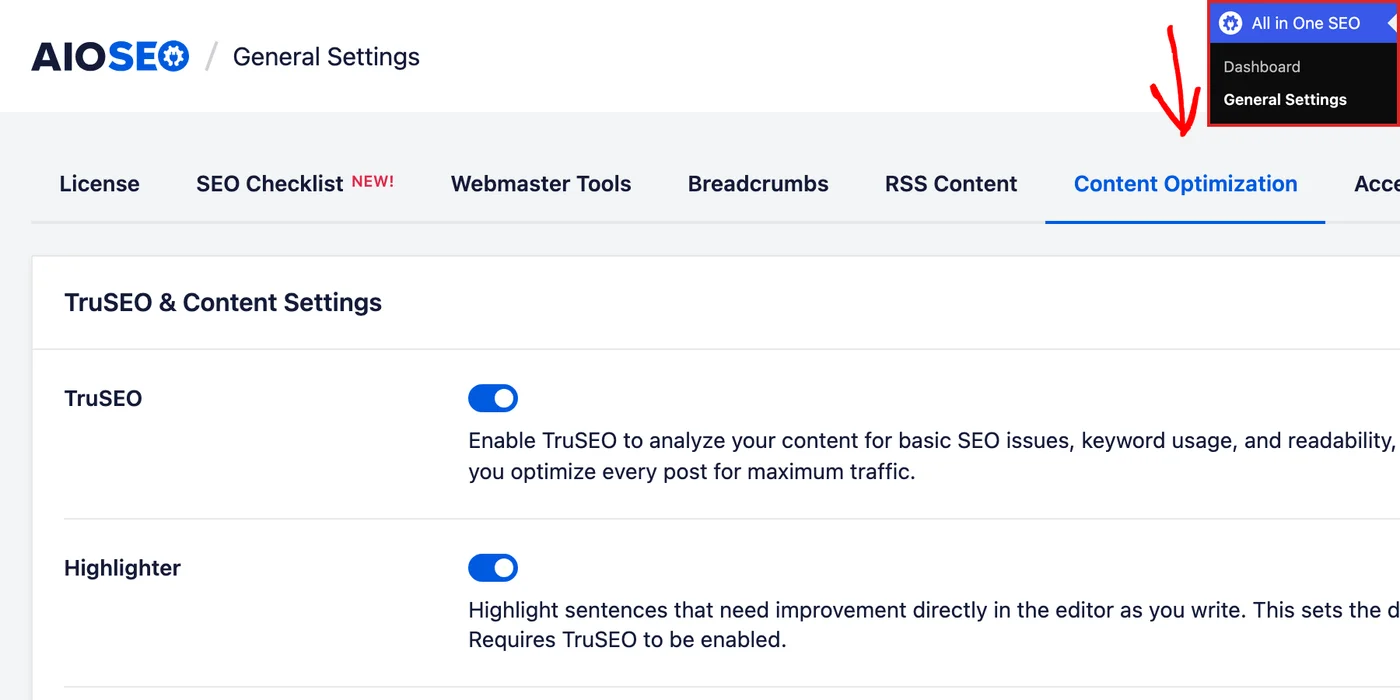
This tab is where you'll find AIOSEO's TruSEO content analysis settings, grouped under TruSEO & Content Settings.
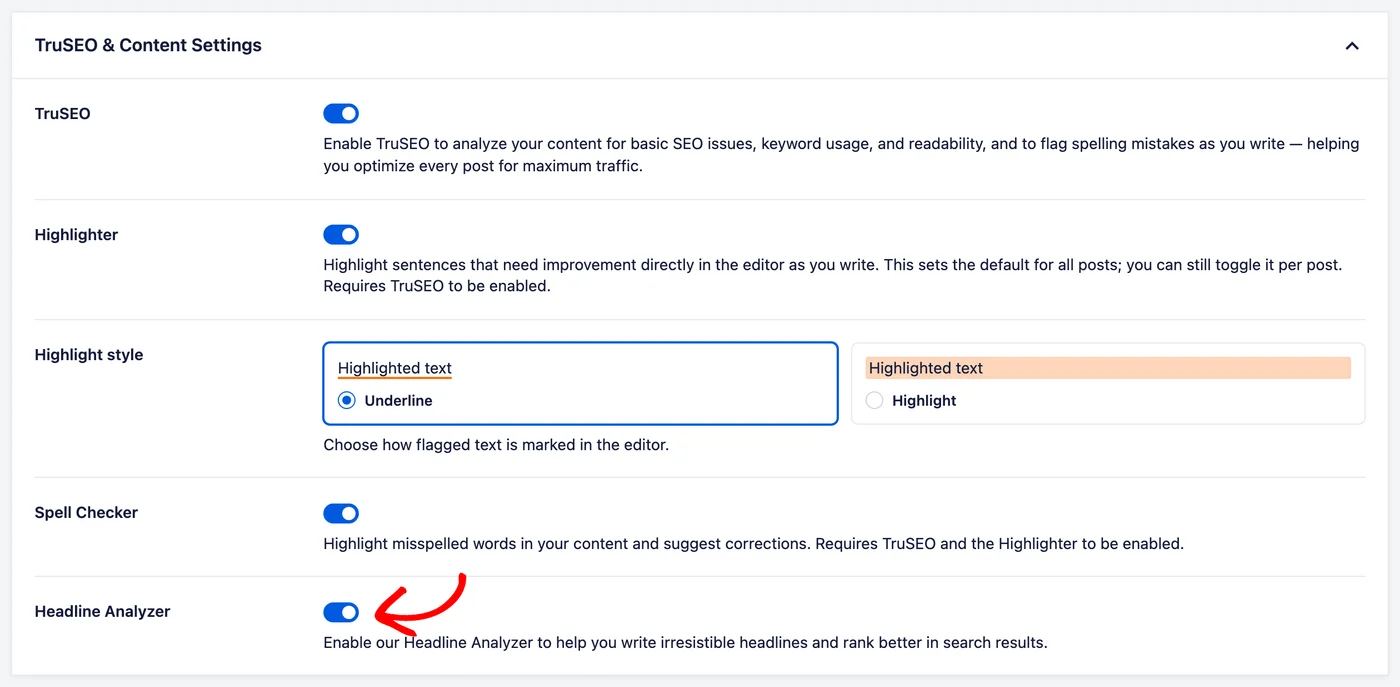
The Headline Analyzer is the last setting in that group. It's on by default, so you'll find it already switched on.
Next, click the Headline Analyzer toggle to switch it off.
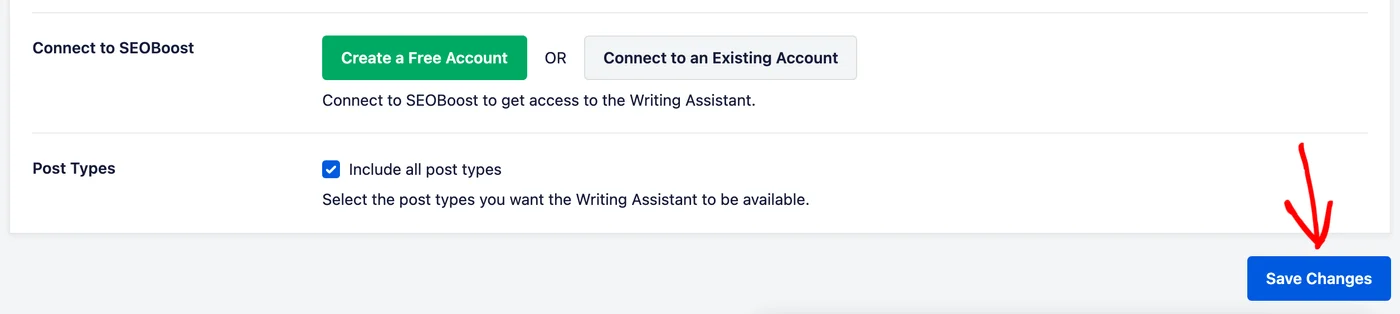
Finally, click the Save Changes button at the bottom of the screen.
Your change is saved. The rest of your content analysis is unaffected.
What Stays On
The Headline Analyzer works on its own. Nothing else on this tab depends on it.
When you edit a post, the content analysis feature sits below your post content, on the Optimization tab in the AIOSEO Settings section. With the Headline Analyzer off, the Headline tab is no longer displayed.
The other four features carry on working as before. Those are Keywords, Basics, Spelling, and Readability.
That means AIOSEO's other writing tools keep working, as long as you have them switched on:
- TruSEO analyzes and scores your content.
- The TruSEO Highlighter marks sentences that need improvement in the editor.
- The Spell Checker flags misspelled words.
All three sit on the same Content Optimization tab, just above the Headline Analyzer. Only your headline stops being scored.
NOTE:
This setting covers your whole site. The Headline tab disappears for every post and page, not just the one you happen to be editing.
That's it! The Headline Analyzer is now off. You can turn it back on from the same tab whenever you want it. The Headline tab returns to the editor as soon as you do.
Further Reading / Next Steps
If you'd rather keep the Headline Analyzer on and get more from it, see our guide on using the Headline Analyzer. It walks through reading your score and testing alternative headlines. You can also browse all of our TruSEO content analysis documentation.
Frequently Asked Questions
Below, we've answered some of the most common questions about turning the Headline Analyzer off:
Where do I find the Headline Analyzer setting now?
It's on the Content Optimization tab under All in One SEO » General Settings. Earlier versions than All in One SEO v5.0 kept it on the Advanced tab.
Does turning the Headline Analyzer off turn TruSEO off too?
No. The two settings are independent. TruSEO keeps analyzing and scoring your content. Only the Headline tab is removed from the editor.
See What Stays On above.
Can I turn it off for one post only?
The Headline Analyzer setting covers your whole site, so switching it off applies everywhere at once. If you'd rather leave it on, you don't have to open the Headline tab on posts where you aren't interested in the score.
How do I turn the Headline Analyzer back on?
The steps are the same in reverse. On the Content Optimization tab, switch the Headline Analyzer toggle back on. Then click the Save Changes button. The Headline tab returns when you next edit a post.
Does turning it off affect my rankings?
No. The Headline Analyzer is a writing aid that scores your headline inside the editor to guide your own edits. Switching it off changes what you see while writing, not what your published pages contain.