
¿Sigues haciendo la investigación de palabras clave de la misma manera que hace 5 años?
Si buscas estrictamente términos de alto volumen y baja competencia, es posible que te estés quedando atrás.
La verdad es que la forma en que la gente usa Google está cambiando rápidamente. Con el auge de las Vistas Generales de IA y la búsqueda conversacional, las viejas reglas no siempre se aplican. Los algoritmos son cada vez más inteligentes, y tu estrategia de investigación de palabras clave también debe serlo.
En esta guía, compartiré los consejos y tendencias de investigación de palabras clave más importantes para ayudarte a construir una estrategia ganadora para 2026 y más allá.
En este artículo
- The Big Shift: 2026 Keyword Research Trends
- 6 Actionable Keyword Research Tips & Strategies
- 1. Dirígete a palabras clave con volumen de "búsqueda cero"
- 2. Explora "Otras preguntas de los usuarios" para encontrar oro en el ranking
- 3. Crea clústeres de temas (la estrategia de autoridad)
- 4. Analiza las SERP antes de escribir
- 5. Optimiza para palabras clave conversacionales de cola larga
- 6. Busca palabras clave "LSI" (términos semánticamente relacionados)
- How AIOSEO Helps You Execute This Strategy
- Consejos de investigación de palabras clave: ¿Qué sigue?
- FAQs About Keyword Research Trends
El gran cambio: Tendencias de investigación de palabras clave para 2026
Antes de pasar a los consejos específicos, necesitas entender el panorama. Estas son las 3 tendencias más importantes de investigación de palabras clave que están dando forma al SEO en este momento.
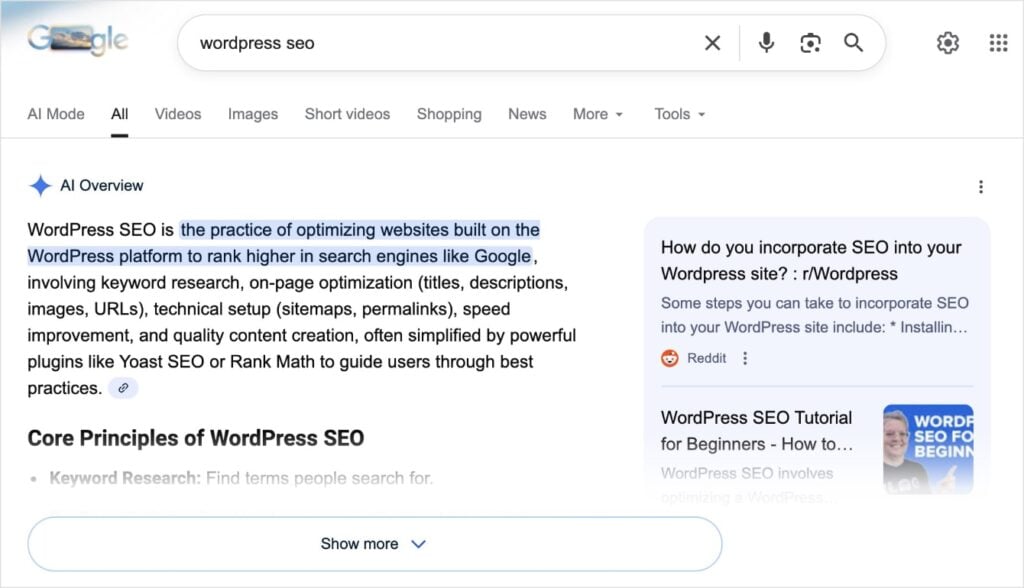
El auge de las Vistas Generales de IA
Google responde cada vez más a las preguntas directamente en la parte superior de los resultados de búsqueda con resúmenes generados por IA.
Esto significa que para consultas informativas sencillas, los usuarios podrían ni siquiera hacer clic en un sitio web.
Para tener éxito en 2026, necesitas dirigirte a preguntas complejas y matizadas que la IA no pueda responder con una sola frase.
También necesitas optimizar tu sitio web para aparecer en estas Vistas Generales de IA. (Suena contradictorio, ¿verdad? No te preocupes, te explicaré cómo hacerlo en una sección posterior.)
La búsqueda conversacional es el rey
La gente está empezando a hablar con los motores de búsqueda como hablan con amigos. En lugar de escribir "vestido de invitada de boda", preguntan: "¿Qué debería ponerme para una boda al aire libre en octubre?"
Tu estrategia de investigación de palabras clave necesita enfocarse en estas frases naturales y conversacionales.
Intención del usuario > Volumen de búsqueda
Perseguir números de alto volumen de búsqueda importa menos que nunca. Una palabra clave con 10.000 búsquedas mensuales es inútil si esas personas no buscan comprar lo que vendes.
El dinero inteligente está en encontrar palabras clave con la intención correcta, incluso si el volumen es menor.
Por qué deberías confiar en mí
He trabajado en SEO durante más de 6 años y he visto cómo el panorama ha cambiado de un simple keyword stuffing a los complejos algoritmos impulsados por IA que vemos hoy.
No solo leo sobre estos cambios; pruebo constantemente nuevas estrategias en sitios web reales para ver qué es lo que realmente marca la diferencia. Voy a compartir la estrategia exacta de investigación de palabras clave que utilizo para mantener el contenido clasificado, sin importar cuánto cambie el algoritmo.
6 consejos y estrategias prácticas de investigación de palabras clave
Conocer las tendencias es una cosa; actuar sobre ellas es otra. Aquí tienes 6 consejos prácticos de investigación de palabras clave para ayudarte a construir una estrategia a prueba de futuro.
1. Dirígete a palabras clave con volumen de "cero búsquedas"
No ignores una palabra clave solo porque tu herramienta dice que tiene "0" volumen de búsqueda. Estas herramientas son estimaciones, no hechos.
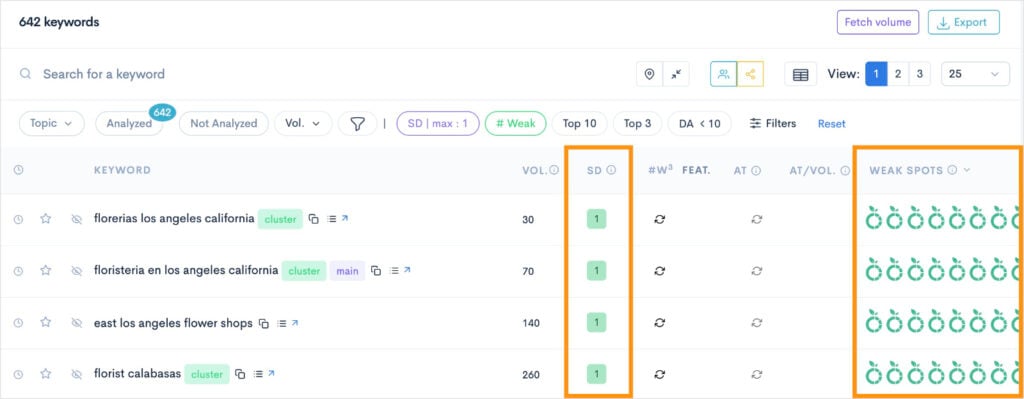
Las palabras clave de "cero búsquedas" suelen ser frases de cola larga muy específicas con una intención extremadamente concreta. Por ejemplo, "mejor CRM para negocios de tejido de cestas submarinas" podría mostrar cero volumen, pero si vendes ese software, la persona que lo busca es tu cliente perfecto.
No tengas miedo de apuntar a estos términos hiperrelevantes. A menudo convierten mejor que las palabras clave de alto volumen.
Consejo profesional: Utilizo LowFruits para realizar investigaciones de palabras clave de cola larga. Esta herramienta analiza las SERP en busca de palabras clave de baja competencia con altas tasas de conversión. Busca puntuaciones bajas de dificultad de SERP (dificultad de palabras clave) y múltiples puntos débiles (dominios de clasificación de baja autoridad) para las mejores palabras clave a las que dirigirse.
2. Mina "Otras preguntas de la gente" para obtener oro de clasificación
Google te dice lo que tu audiencia quiere saber. Solo tienes que saber dónde buscar.
Busca tu tema principal y mira el cuadro de "Otras preguntas de la gente" (PAA). Esta sección de las páginas de resultados del motor de búsqueda (SERP) revela preguntas relacionadas con la consulta del usuario.
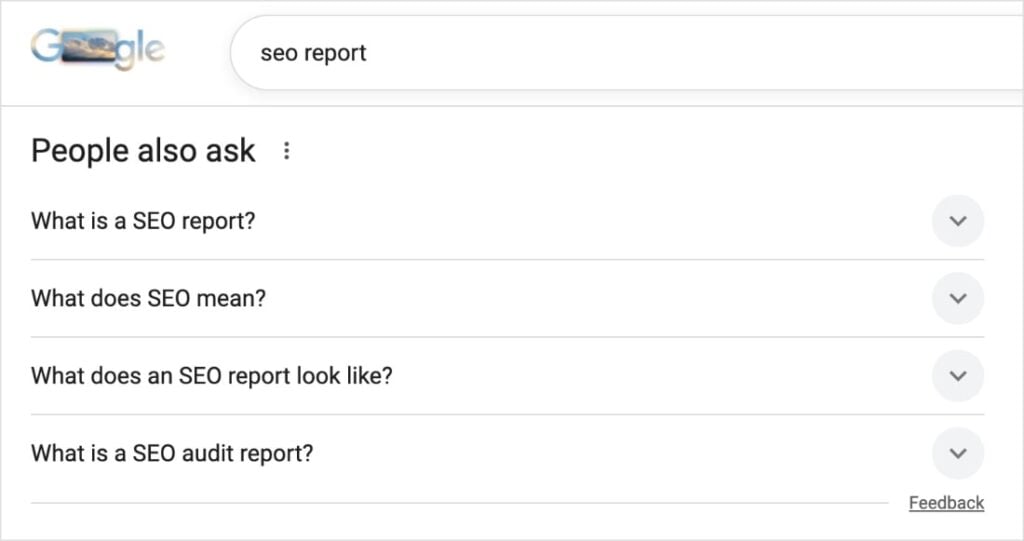
Cuando haces clic en algunas de las preguntas para expandirlas, esto hace que Google cargue aún más preguntas relacionadas. Recopila estas preguntas y respóndelas directamente en tu contenido, idealmente utilizando un esquema de preguntas frecuentes.
Esta es una de las formas más efectivas de capturar tráfico y clasificar para múltiples variaciones de cola larga.
Consejo profesional: Echa un vistazo a nuestra guía sobre cómo optimizar para "Otras preguntas de la gente". Este tutorial te ayudará a crear contenido que tenga una alta probabilidad de clasificarse en esta codiciada área de las SERP.
3. Crea clústeres de temas (la estrategia de autoridad)
Deja de pensar en palabras clave individuales y empieza a pensar en temas completos.
Google (y los usuarios) aprecian una cobertura completa de temas. Ayuda a los usuarios a obtener toda la información que buscan en un solo lugar, manteniendo a los visitantes en tu sitio por más tiempo y aumentando la participación.
Los clústeres de temas son una excelente manera de lograr esto. Utilizan un modelo de "Hub y Spokes".
- El Hub (Página Pilar): Crea una guía completa dirigida a una palabra clave amplia y de alto volumen (por ejemplo, "Marketing Digital").
- Los Radios (Contenido del Clúster): Escribe artículos de apoyo dirigidos a palabras clave de cola larga específicas y relacionadas (por ejemplo, "Consejos de Marketing por Correo Electrónico", "Estrategia de Redes Sociales").
- El Enlace: Enlaza internamente todos los radios al centro (hub) y el centro a los radios. Esta estructura le dice a Google que eres una autoridad en el tema completo, lo que mejora las clasificaciones de todas tus páginas.
Página Pilar | Contenido del Clúster |
|---|---|
| La Guía Definitiva sobre Alimentación Saludable | Beneficios de una Alimentación Saludable Recetas Saludables Consejos de Nutrición Planificación de Comidas Superalimentos: Pros y Contras Componentes de una Dieta Equilibrada Dietas de Moda a Evitar. |
4. Analiza las SERP antes de escribir
Los datos son geniales, pero la SERP es la verdad definitiva. Antes de escribir una sola palabra, busca tu palabra clave principal y analiza qué está clasificando Google ya.
- Comprobación de la Intención de Búsqueda: Si buscas "mejores auriculares" y solo ves páginas de productos de comercio electrónico, es probable que una entrada de blog no clasifique. Tu contenido debe alinearse con la intención de búsqueda existente.
- Coincidencia de Formato: ¿Los mejores resultados son guías "Cómo hacer", listas o vídeos? Adapta el formato de tu contenido a lo que Google ya está recompensando. Si los 5 mejores resultados son vídeos, querrás incrustar un vídeo en tu publicación para competir.
5. Optimiza para palabras clave conversacionales de cola larga
Con el auge de la búsqueda por voz y el chat de IA, la gente usa el lenguaje natural más que nunca. En lugar de dirigirte a un lenguaje robótico como "vuelo barato de NY a Londres", enfócate en la frase completa: "¿Cuál es el momento más barato para volar de Nueva York a Londres?"
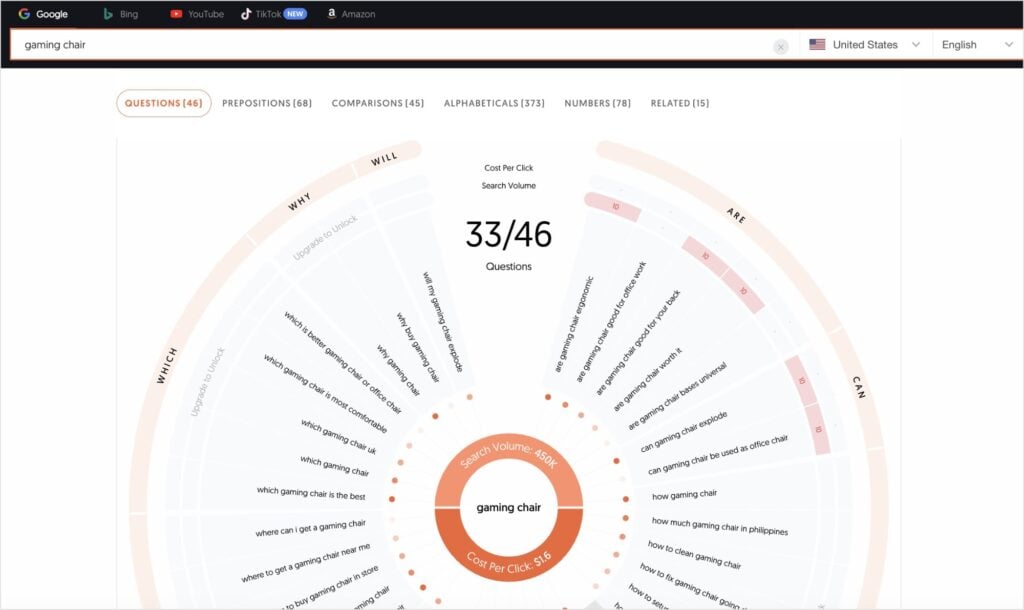
Para encontrarlas, piensa en los problemas que tiene tu audiencia. Usa herramientas como AnswerThePublic (mostrada abajo) o simplemente escucha las preguntas que tus clientes hacen en los correos de soporte. Optimizar para estas frases naturales hace que sea más probable que tu contenido sea captado por los asistentes de IA.
6. Busca palabras clave "LSI" (Términos Semánticamente Relacionados)
Google ya no solo busca tu palabra clave principal; busca contexto.
Las palabras clave de Indexación Semántica Latente (LSI) son términos conceptualmente relacionados con tu tema principal. Por ejemplo, si estás escribiendo sobre "Apple", Google busca palabras como "tarta", "huerto" y "fruta" para saber que te refieres a la comida, o "iPhone", "Mac" y "Cook" para saber que te refieres a la empresa tecnológica.
Incluir estos términos relacionados en tu contenido ayuda a Google a entender la profundidad y el contexto de tu artículo, lo que puede mejorar tus clasificaciones.
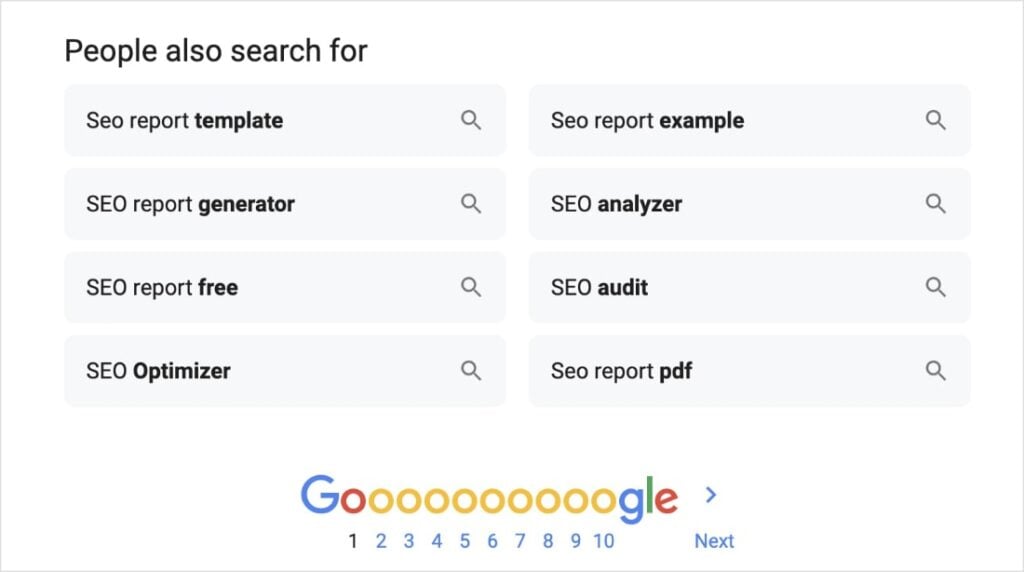
Puedes encontrarlas fácilmente en la parte inferior de los resultados de búsqueda de Google bajo "Otras personas también buscaron" o "Búsquedas relacionadas".
Cómo AIOSEO te Ayuda a Ejecutar esta Estrategia
No tienes que gestionar esta estrategia de investigación de palabras clave solo. Tener la herramienta adecuada es lo que te permite ejecutarla fácilmente y a escala.
All in One SEO (AIOSEO) es el mejor plugin de SEO del mercado. Te ahorra tiempo optimizando tu sitio web y asegura que no te pierdas ninguna oportunidad de clasificación.
Así es como te ayuda a implementar los consejos de investigación de palabras clave que cubrimos en esta publicación:
1. Encuentra nuevas palabras clave dentro de WordPress
¿Cansado de cambiar de pestaña para buscar palabras clave y comprobar el volumen de búsqueda?
Hago mucha investigación de palabras clave y sé cuánto tiempo puede consumir cambiar constantemente de herramientas mientras intento escribir. Por eso aprecio cómo AIOSEO se integra directamente con Semrush, una de las mejores herramientas de investigación de palabras clave.
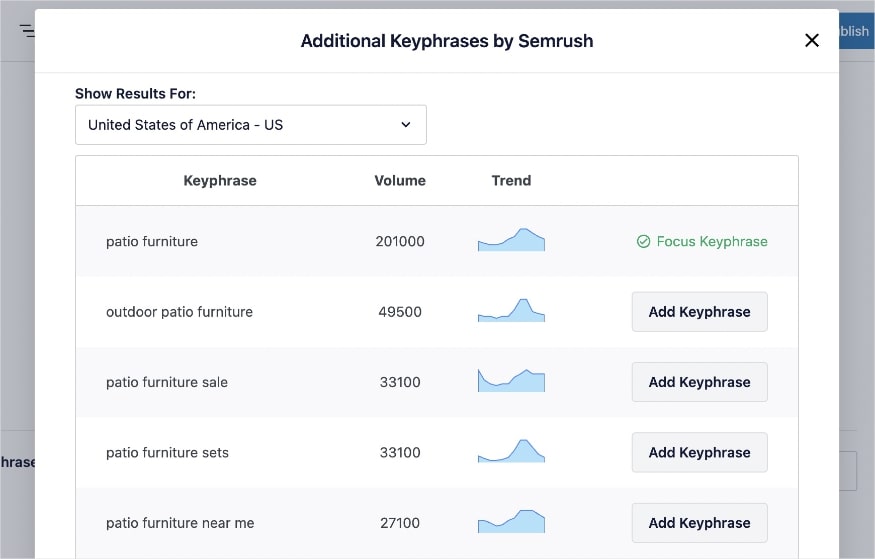
Cuando estableces una frase clave principal para tu publicación, puedes hacer clic en un botón para "Obtener frases clave adicionales."
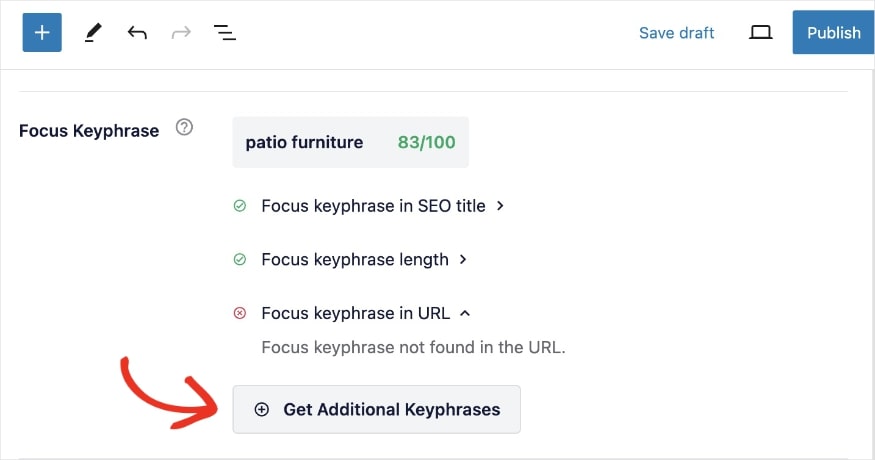
AIOSEO te mostrará una lista de palabras clave relacionadas junto con su volumen de búsqueda y tendencias.
Esto facilita la búsqueda de esas palabras clave LSI y variaciones de cola larga que discutimos, ayudándote a construir tus clústeres temáticos sin salir de tu editor.
2. Perfecciona tu optimización con TruSEO
Orientar una palabra clave no tiene sentido si tu contenido no está optimizado para ella.
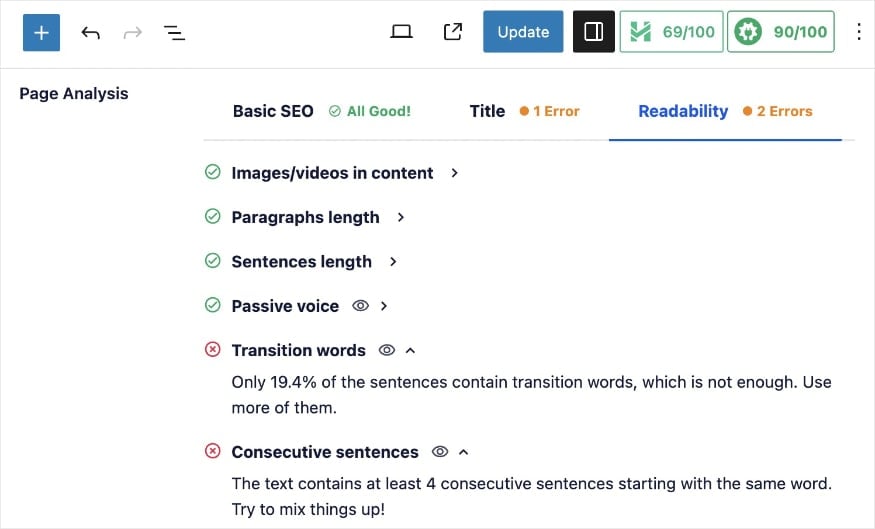
El Análisis On-Page de TruSEO de AIOSEO actúa como tu entrenador SEO personal. Mientras escribes, califica tu contenido y te proporciona una lista de verificación procesable.
Aquí vemos la Lista de verificación de palabras clave principales, que comprueba tu palabra clave principal en todas las áreas críticas.

También tiene una Lista de verificación de legibilidad que analiza lo fácil que es para los usuarios leer y comprender tu contenido.
Consejo profesional: ¿No superas las verificaciones de legibilidad? Aprende cómo mejorar tu legibilidad.
3. Añade esquema de FAQ con facilidad
Hablamos de la importancia de responder a las preguntas de los usuarios. AIOSEO hace que esto sea técnicamente simple con su Bloque de Preguntas Frecuentes.
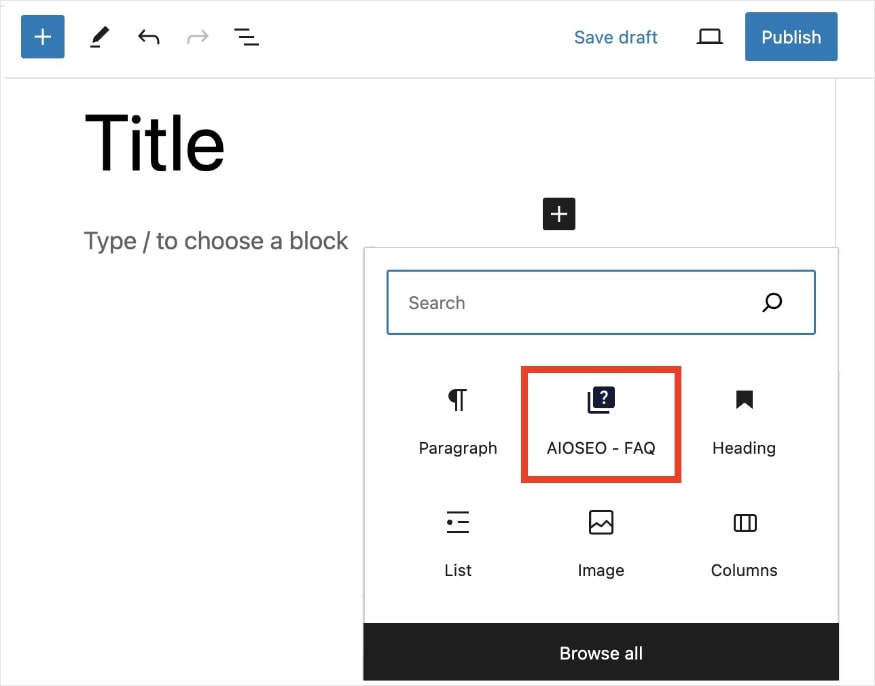
Para usar esta función, simplemente busca y agrega el bloque "AIOSEO – Preguntas Frecuentes" a tu publicación o página deseada.
Esto abrirá un cuadro de preguntas frecuentes donde puedes agregar tu pregunta y respuesta.
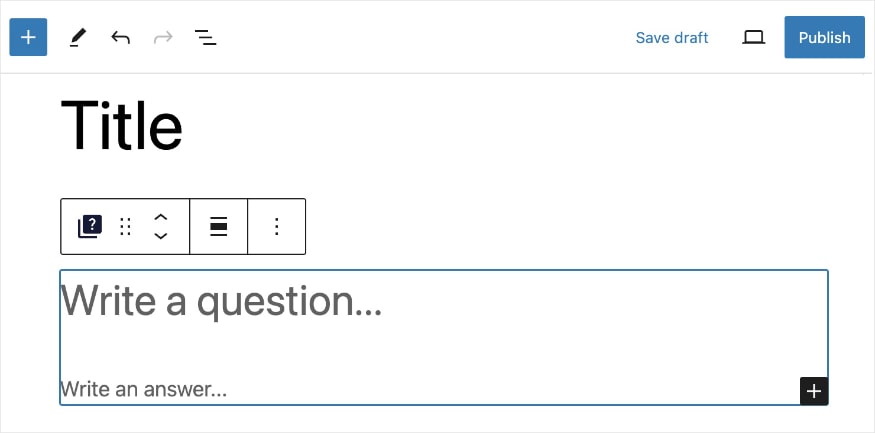
El plugin agregará automáticamente el esquema de preguntas frecuentes a tu publicación, asegurando que los motores de búsqueda puedan entender fácilmente tu contenido. También aumenta tus posibilidades de clasificar en "Otras preguntas de Google".
Consejo profesional: Si quieres adoptar la IA en tu proceso de creación de contenido, te recomiendo encarecidamente que utilices el Asistente de IA. Puedes escribir una indicación pidiéndole que escriba preguntas frecuentes para ti. Utiliza el contenido circundante para hacerlas relevantes para tu página.

4. Escribe mejores títulos con IA
Optimizar para la búsqueda conversacional significa escribir títulos que enganchen a los lectores humanos.
El Generador de Contenido con IA de AIOSEO puede generar instantáneamente titulares pegadizos y que inviten a hacer clic. Incorpora tus palabras clave de forma natural, ayudándote a mejorar tu tasa de clics (CTR) sin ningún esfuerzo.
Para usar esta herramienta, simplemente haz clic en el botón IA junto al campo Título de la publicación en el editor de WordPress. (Esta función también funciona para la descripción meta).

Luego, elige el tono y la audiencia para tu etiqueta de título SEO.
Una vez que hayas hecho tus selecciones, haz clic en Generar Título SEO.

Desde aquí, puedes seleccionar cualquiera de los títulos generados por IA y agregarlos a tu publicación haciendo clic en el botón signo más (+).

Es rápido y te garantiza un título atractivo y rico en palabras clave que requirió cero esfuerzo.
Consejos de investigación de palabras clave: ¿Qué sigue?
A medida que avanzamos hacia 2026, la estrategia ganadora de investigación de palabras clave es aquella que prioriza la intención del usuario, el lenguaje conversacional y la cobertura integral de temas sobre el simple volumen de búsqueda.
Al centrarte en responder preguntas reales y construir autoridad con clústeres de temas, puedes asegurar tu contenido frente a cambios de algoritmo.
Ahora que tienes tu estrategia de palabras clave definida, asegúrate de estar monitorizando tu progreso SEO. Este artículo te enseña cómo rastrear tus rankings de palabras clave y este te muestra cómo rastrear cambios SEO, para que puedas ajustar tu estrategia en consecuencia.
Para obtener aún más tutoriales de WordPress y consejos de SEO, suscríbete a nuestro Canal de YouTube. También puedes seguirnos en X (Twitter), LinkedIn o Facebook para estar al tanto.
Preguntas frecuentes sobre tendencias de investigación de palabras clave
¿Sigue siendo relevante la investigación de palabras clave en 2026?
Sí, absolutamente. Si bien la forma en que realizamos la investigación de palabras clave ha cambiado, comprender lo que busca tu audiencia sigue siendo la base del SEO. En lugar de buscar solo palabras de alto volumen, la investigación de palabras clave moderna se centra en comprender la intención del usuario, responder preguntas específicas y dirigirse a frases conversacionales que se alinean con la IA y la búsqueda por voz.
¿Cuáles son las mejores herramientas para la investigación de palabras clave?
Hay varias herramientas excelentes disponibles. Google Trends es ideal para detectar temas emergentes. AnswerThePublic te ayuda a encontrar las preguntas específicas que la gente hace. La función “Otras preguntas de los usuarios” de Google es invaluable para encontrar consultas de cola larga directamente en la página de resultados de búsqueda. Además, AIOSEO se integra con Semrush para brindarte datos de palabras clave directamente dentro de WordPress.
¿Cómo encuentro palabras clave para la búsqueda de IA?
Para optimizar para la búsqueda de IA (como las Descripciones de IA de Google), concéntrate en palabras clave "informativas" y "conversacionales". Busca preguntas completas (quién, qué, dónde, cuándo, por qué, cómo) en lugar de fragmentos cortos. Herramientas como AnswerThePublic son geniales para esto. Tu objetivo es proporcionar la mejor y más directa respuesta a una pregunta específica, lo que aumenta tus posibilidades de ser citado por la IA.
¿Debería dirigirme a palabras clave de volumen cero?
Sí. Las palabras clave de "volumen cero" a menudo tienen una intención muy específica. Si bien es posible que no atraigan a miles de visitantes, los visitantes que sí atraen a menudo tienen muchas más probabilidades de convertir o comprar porque buscan exactamente lo que ofreces. A menudo son menos competitivas y más fáciles de clasificar.
¿Quieres probar AIOSEO gratis?
Introduce la URL de tu sitio web de WordPress para instalar AIOSEO Lite.
Descargo de responsabilidad: Nuestro contenido es compatible con los lectores. Esto significa que si haces clic en algunos de nuestros enlaces, podemos ganar una comisión. Solo recomendamos productos que creemos que añadirán valor a nuestros lectores.
