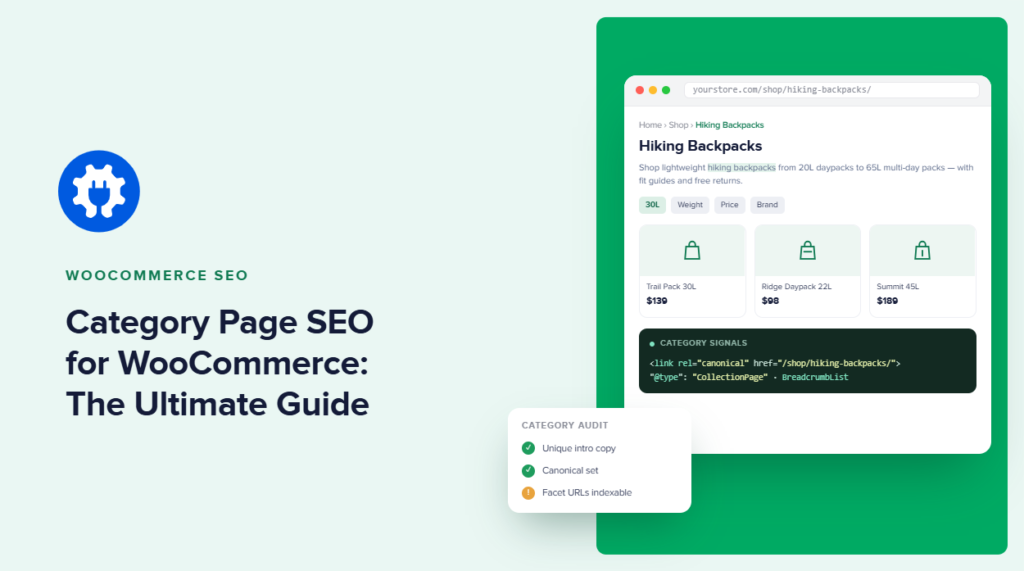

Kategorie-Seiten-SEO kann Ihrem WooCommerce-Shop helfen, für wertvolle kommerzielle Keywords zu ranken, für die einzelne Produktseiten oft nicht gut geeignet sind.
Denken Sie darüber nach, wie Menschen tatsächlich einkaufen; sie möchten Optionen durchsuchen, Produkte vergleichen und ihre Auswahl eingrenzen. Genau das ermöglicht ihnen eine gut optimierte Produktkategorie-Seite.
Aber WooCommerce-Kategorie-Seiten werden leicht übersehen. Viele Shops hinterlassen sie mit wenig mehr als einem Kategorienamen und einem Produktgitter. Das bedeutet verpasste Gelegenheiten, Keywords mit hoher Kaufabsicht anzusprechen, nützliche interne Verlinkungs-Hubs aufzubauen und Suchmaschinen zu helfen, die Struktur Ihres Shops zu verstehen.
Die gute Nachricht ist, dass ich diesen Leitfaden erstellt habe, um Ihnen zu zeigen, wie Sie die Kategorie-Seiten-SEO für WooCommerce angehen und wie ich AIOSEO verwende, um WooCommerce-Produktkategorien direkt in WordPress zu optimieren.
In diesem Artikel
- Was ist Kategorie-Seiten-SEO?
- Die WooCommerce-Kategorie-SEO-Checkliste
- 1. Fügen Sie Ihren WooCommerce-Kategorie-Titel und Ihre Beschreibung hinzu und optimieren Sie sie
- 2. Verwenden Sie die Bulk-Titelvorlagen von AIOSEO für große Kataloge
- 3. Fügen Sie Keyword-reiche H1s hinzu (oder stellen Sie sicher, dass WooCommerce sie verwendet)
- 4. Kategorie-Seiten in Ihre XML-Sitemap aufnehmen
- 5. Optimieren Sie Bilder auf Kategorie-Seiten
- 6. Paginierung für große Kategorien verwalten
- 7. Auf doppelte Inhalte von gefilterten Ansichten prüfen
- 8. Interne Links zwischen Kategorien und Seiten erstellen
- 9. Brotkrümel zu Ihrer Kategoriehierarchie hinzufügen
- 10. Überwachen Sie die Leistung Ihrer Kategorie-Seiten
- 1. Fügen Sie Ihren WooCommerce-Kategorie-Titel und Ihre Beschreibung hinzu und optimieren Sie sie
- Kategorie-Seiten-SEO für WooCommerce: FAQs beantwortet
- Nächste Schritte
Was ist Kategorie-Seiten-SEO?
Kategorie-Seiten-SEO ist der Prozess der Optimierung von E-Commerce-Kategorie-Seiten, damit sie für relevante Suchanfragen von Suchmaschinen entdeckt, verstanden und gerankt werden können.
In WooCommerce gruppieren diese Seiten verwandte Produkte. Zum Beispiel könnte ein Online-Bekleidungsgeschäft eine Struktur haben wie:
Home → Herrenbekleidung → Hemden → Oxford-Hemden
Jede Kategorie repräsentiert ein anderes Niveau der Suchintention.
Jemand, der nach „Herrenhemden“ sucht, führt normalerweise eine breitere kommerzielle Suche durch als jemand, der nach einem bestimmten blauen Oxford-Hemd einer Marke und eines Modells sucht.
Deshalb sollten Kategorie-Seiten und Produktseiten nicht um genau dieselben Keywords konkurrieren. Ihre Produktseiten können hochspezifische, produktorientierte Suchen ansprechen, während Kategorie-Seiten breitere Begriffe ansprechen können, die Menschen verwenden, wenn sie noch ihre Optionen vergleichen.
Eine starke Kategorie-Seite fungiert auch als wichtiger interner Verlinkungs-Hub. Sie verbindet Ihre breitere Shop-Architektur mit den einzelnen Produkten darunter und bietet Käufern und Suchmaschinen klare Wege durch Ihren Katalog.
Das Ziel der Kategorie-Seiten-SEO für WooCommerce ist es, eine Seite zu erstellen, die die breitere Kaufabsicht erfüllt und gleichzeitig Ihre E-Commerce-Hierarchie einfach zu navigieren und zu verstehen macht.
Warum WooCommerce-Kategorie-Seiten für SEO wichtig sind
Bevor ich auf die Checkliste eingehe, lohnt es sich zu verstehen, warum Kategorie-Seiten überhaupt so viel Aufmerksamkeit verdienen.
- Kategorie-Seiten zielen auf breite, volumenstarke Keywords ab, die keine einzelne Produktseite ansprechen kann.
- Kategorie-Seiten sammeln auf natürliche Weise interne Links von jeder Produktseite darunter, was sie in den Augen von Google strukturell stärker macht.
- Google behandelt Kategorie-Seiten als Landingpages mit hoher Autorität. Für viele Käufer ist eine Kategorie-Seite der erste Klick auf der gesamten Einkaufsreise.
- Eine einzige optimierte Kategorie-Seite kann gleichzeitig Dutzende von verwandten Keyword-Variationen ansprechen, etwas, das eine Produktseite, die an einen bestimmten Artikel gebunden ist, einfach nicht kann.
Wenn Sie Ihre Zeit mit der Optimierung von Produktseiten verbracht und Kategorien komplett übersprungen haben, haben Sie einige der Seiten mit dem höchsten Traffic-Potenzial auf Ihrer Website ignoriert.
Ich sehe das ständig bei WooCommerce-Stores, die solides SEO auf Produktebene haben und Kategorie-Seiten, die nie angefasst wurden, seit das Theme sie installiert hat. Diese Lücke ist normalerweise der schnellste Ort, um neuen organischen Traffic zu finden, da die Seiten bereits existieren, bereits Produkte enthalten und bereits interne Links darauf verweisen.
Die WooCommerce-Kategorie-SEO-Checkliste
Jetzt, da Sie verstehen, warum Kategorie-Seiten-SEO für WooCommerce wichtig ist, hier ist eine vollständige Checkliste, der Sie folgen können. Plus, wie Sie AIOSEO in WordPress verwenden, um diese Schritte noch weiter zu optimieren.
1. Fügen Sie Ihren WooCommerce-Kategorie-Titel und Ihre Beschreibung hinzu und optimieren Sie sie
WooCommerce unterstützt Kategoriebeschreibungen nativ, aber die meisten Themes zeigen sie standardmäßig nicht an, daher vergisst man leicht, dass sie existieren. Ich strebe mindestens 100 bis 200 Wörter pro Kategorie an.
Eine gute Beschreibung erklärt, welche Art von Produkten in der Kategorie zu finden sind, erwähnt das Fokus-Keyword natürlich und fügt ein oder zwei Sätze hinzu, warum sich die Auswahl in dieser Kategorie lohnt.
Wichtig: Ob die Beschreibung über dem Produktgitter angezeigt wird, hängt vollständig von Ihrem Theme ab. Einige Themes verstecken sie, einige zeigen eine gekürzte Version und einige zeigen sie vollständig an. Selbst wenn Ihr Theme sie nicht anzeigt, indiziert Google sie trotzdem, daher lohnt es sich trotzdem, sie für eine bessere Benutzererfahrung zu schreiben.
Jetzt können Sie den Produkttitel und die Beschreibung direkt in WordPress mit AIOSEO schreiben und optimieren. Öffnen Sie einfach die entsprechende Seite und nehmen Sie dort die Änderungen vor.

Ich würde raten, den dünnen, generischen Fülltext zu überspringen, den man manchmal auf Kategorie-Seiten sieht und der Google und Käufern nichts sagt. Schreiben Sie die Produkttypen in der Kategorie, heben Sie hervor, was die Auswahl lohnenswert macht, sei es der Preis, die Markenvielfalt oder etwas Spezifisches für Ihren Shop, und erwähnen Sie das primäre Keyword in der Beschreibung.
Benutzerdefinierten SEO-Titel in AIOSEO festlegen
Standardmäßig verwendet WordPress den Kategorienamen als Seitentitel, was selten der SEO-Titel ist, den Sie tatsächlich möchten. „Hautpflege“ sagt Google fast nichts darüber, warum sich ein Klick auf Ihren Shop lohnt.
Unter All in One SEO » Sucherscheinung » Taxonomien können Sie einen Keyword-optimierten Titel für die Kategorie festlegen, der sich von dem auf der Seite angezeigten Namen unterscheidet.
Der Kategoriename auf der Seite muss sich überhaupt nicht ändern. Nur das Title-Tag, das Google in den Suchergebnissen sieht, ändert sich. Das bedeutet, Sie können kurze, klare Kategorienamen in Ihrer Navigation beibehalten und trotzdem einen vollständig optimierten Titel für die Suche schreiben.
2. Verwenden Sie die Bulk-Titelvorlagen von AIOSEO für große Kataloge
Das Schreiben einzelner Titel funktioniert für 10 Kategorien gut. Es bricht schnell zusammen, sobald Sie 50 oder mehr haben, was bei den meisten wachsenden WooCommerce-Shops der Fall ist. Diese Funktion macht die SEO für Kategorien skalierbar und erhält in den meisten WooCommerce-SEO-Ratschlägen bei weitem nicht genug Aufmerksamkeit.
Scrollen Sie unter All in One SEO » Such appearance » Taxonomien zum Abschnitt Produktkategorien. Anstatt eines einzelnen Titels legen Sie eine Vorlage für Titel- und Beschreibungsformate fest, die für alle Produktkategorien auf einmal gilt und aus Smart-Tags wie dem Kategorienamen und Ihrem Websitenamen aufgebaut ist.
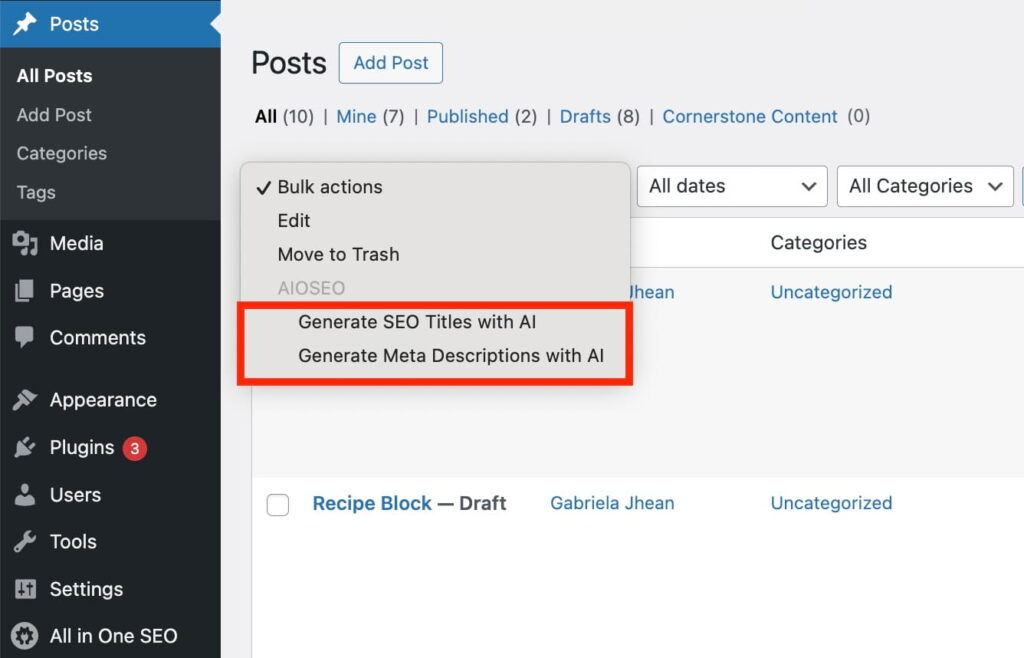
Speichern Sie die Vorlage, und jeder Kategorietitel wird automatisch aktualisiert, um diesem Muster zu folgen. Von dort gehe ich zurück und überschreibe manuell das Format für eine Handvoll wichtiger Kategorien.
Für einen Shop mit einem großen Katalog leistet diese einzelne Einstellung wahrscheinlich mehr für die Kategorie-SEO als alles andere auf dieser Liste, da sie den Unterschied zwischen der Optimierung jeder einzelnen Kategorie und der Optimierung keiner davon ausmacht.
3. Fügen Sie Keyword-reiche H1s hinzu (oder stellen Sie sicher, dass WooCommerce sie verwendet)
Das H1-Überschriften-Tag teilt sowohl Google als auch Ihren Besuchern mit, worum es auf der Seite geht, und die meisten WooCommerce-Themes verwenden den Kategorienamen als H1.
Überprüfen Sie also Ihr Theme, um sicherzustellen, dass der Kategoriename als H1 und nicht als H2 oder gar nicht angezeigt wird.
Wenn ein Kategoriename generisch ist, wie z. B. „Produkte“ oder „Shop“, benennen Sie ihn in etwas mit echtem Schlüsselwortwert oder die spezifische Kategorie um. Denken Sie daran, dass die Änderung des Kategorienamens sich auf die H1 auswirkt. Wenn Sie also keinen benutzerdefinierten SEO-Titel unter Punkt 2 festgelegt haben, überprüfen Sie das Title-Tag, nachdem Sie die Änderung vorgenommen haben.
4. Kategorie-Seiten in Ihre XML-Sitemap aufnehmen
Eine XML-Sitemap teilt Suchmaschinen mit, welche Seiten auf Ihrer Website zum Crawlen wichtig sind. AIOSEO schließt WooCommerce-Kategorieseiten standardmäßig in Ihre XML-Sitemap ein, aber es lohnt sich, schnell zu überprüfen, ob sie für Ihren Shop aktiviert ist.
Gehen Sie zu All in One SEO » Such appearance und stellen Sie sicher, dass Taxonomien, einschließlich Produktkategorien, aktiviert sind.
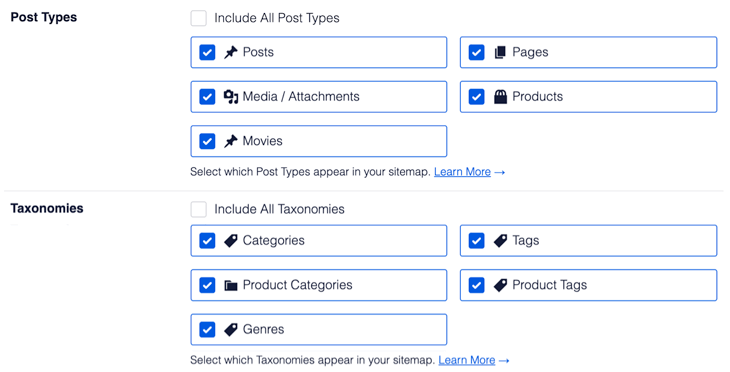
Eine Sitemap garantiert keine Rankings für sich allein, aber sie teilt Suchmaschinen genau mit, welche Kategorieseiten existieren und wo sie zu finden sind. Das ist bei einem großen Katalog, bei dem Crawler möglicherweise Seiten verpassen, die mehrere Klicks tief in Ihrer Navigation vergraben sind, sehr wichtig.
5. Optimieren Sie Bilder auf Kategorie-Seiten
Die meisten WooCommerce-Themes zeigen ein Banner oder ein Vorschaubild am oberen Rand einer Kategorieseite an. Geben Sie ihm einen beschreibenden Alt-Text, der tatsächlich beschreibt, was auf dem Bild zu sehen ist, etwas wie „Kategorie für kabellose Bluetooth-Kopfhörer“ anstatt ihn leer zu lassen oder den Dateinamen zu verwenden.
Mit AIOSEO können Sie automatisch Alt-Texte für Bilder in Ihrer Mediathek generieren, indem Sie die KI-Funktionen nutzen. Gehen Sie dazu zu Ihrer Mediathek und wählen Sie die Bilder aus, für die Sie Alt-Texte automatisch generieren möchten. Sobald Sie alle Ihre Bilder ausgewählt haben, die Alt-Texte benötigen, können Sie auf das Dropdown-Menü für Massenaktionen klicken und Alt-Texte für Bilder mit KI generieren auswählen.
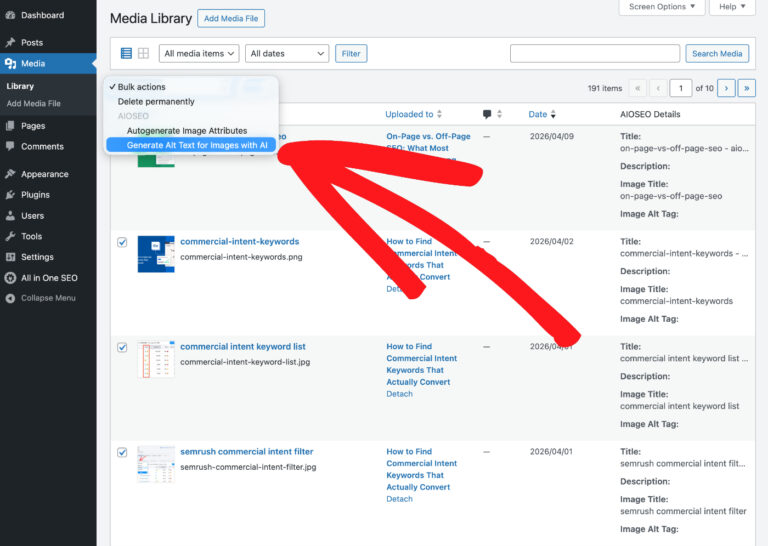
Stellen Sie außerdem sicher, dass die Dateinamen beschreibend sind. Komprimieren Sie die Datei bei Bedarf, bevor Sie sie hochladen. Ein großes, nicht optimiertes Bannerbild verlangsamt genau die Seite, für die Sie ein Ranking erzielen möchten, und die Seitengeschwindigkeit ist immer noch ein Faktor dafür, wie gut eine Kategorieseite abschneidet.
6. Paginierung für große Kategorien verwalten
Sobald eine Kategorie genügend Produkte hat, um auf eine zweite oder dritte Seite zu gelangen, wird die Paginierung zu einem echten SEO-Gesichtspunkt. Das Hauptrisiko besteht darin, versehentlich Seiten nicht zu indexieren, die Sie tatsächlich ranken möchten, oder zuzulassen, dass sich doppelte Titel-Tags über Seite 2, Seite 3 und darüber hinaus ansammeln.
AIOSEO hängt automatisch eine Seitenzahl an den SEO-Titel und die Beschreibung auf paginierten Seiten an, sodass Seite 2 derselben Kategorie nicht mit Seite 1 mit einem identischen Titel konkurriert.
Es lohnt sich auf jeden Fall, dies zu überprüfen: Unter All in One SEO » Sucherscheinung » Erweitert finden Sie die Global Robots Meta -Einstellungen für einen No Index Paginated -Schalter.

Stellen Sie sicher, dass es so eingestellt ist, wie Sie es für Ihren Shop wünschen, bevor Sie davon ausgehen, dass jede paginierte Seite indexierbar ist.
7. Auf doppelte Inhalte von gefilterten Ansichten prüfen
Filter-Plugins, AJAX (Asynchronous JavaScript and XML) -Sortierung und Preisbereichsfilter neigen dazu, URL-Variationen derselben Kategorieseite zu generieren, und jede davon kann für Google wie doppelter Inhalt aussehen, wenn sie eigenständig gecrawlt und indexiert wird.
AIOSEO erkennt und zusammenführt diese nicht automatisch, daher müssen Sie eine schnelle manuelle Überprüfung durchführen.
Unter All in One SEO » Sucherscheinung » Erweitert können Sie eine benutzerdefinierte kanonische URL festlegen, die gefilterte Variationen zurück zur Basis-Kategorieseite leitet.
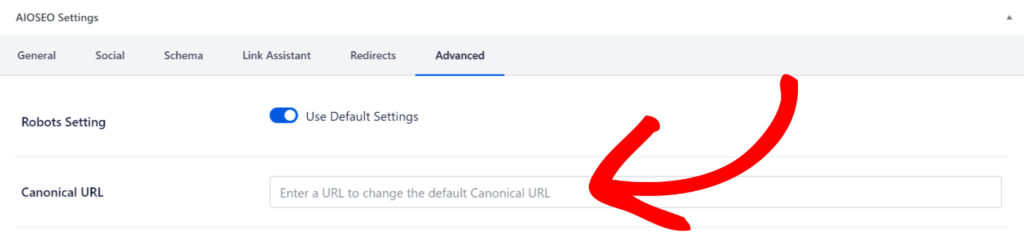
Für einen größeren Shop, der viele dieser Query-String-URLs generiert, können Sie mit der Query-Arg-Überwachung von AIOSEO im selben erweiterten Tab bestimmte URL-Parameter verfolgen und blockieren, damit sie gar nicht erst als separate Seiten gecrawlt werden.
Ein schneller Weg, das Problem zu erkennen, ist die Suche nach site:yourstore.com/product-category/your-category bei Google. Wenn Sie mehrere Einträge für dieselbe Kategorie mit unterschiedlichen angehängten Query-Strings sehen, handelt es sich um doppelten Inhalt, der bereits im Index vorhanden ist.
8. Interne Links zwischen Kategorien und Seiten erstellen
Jede Produktbeschreibung oder Seitenleiste sollte zurück zur Kategorie verlinken, zu der sie gehört. Es klingt kleinlich, aber es ist eine der einfachsten Möglichkeiten, die thematische Autorität einer Kategorieseite zu stärken, da jede Produktseite darunter ein Signal nach oben weitergibt.
Wenn Sie einen Katalog mit Hunderten von Produkten verwalten, ist dies nicht realistisch von Hand zu erledigen. Daher empfehle ich die Verwendung des Link Assistant von AIOSEO, um interne Verlinkungsmöglichkeiten in bestehenden Inhalten zu identifizieren, was besonders nützlich wird, wenn Ihr Geschäft wächst.
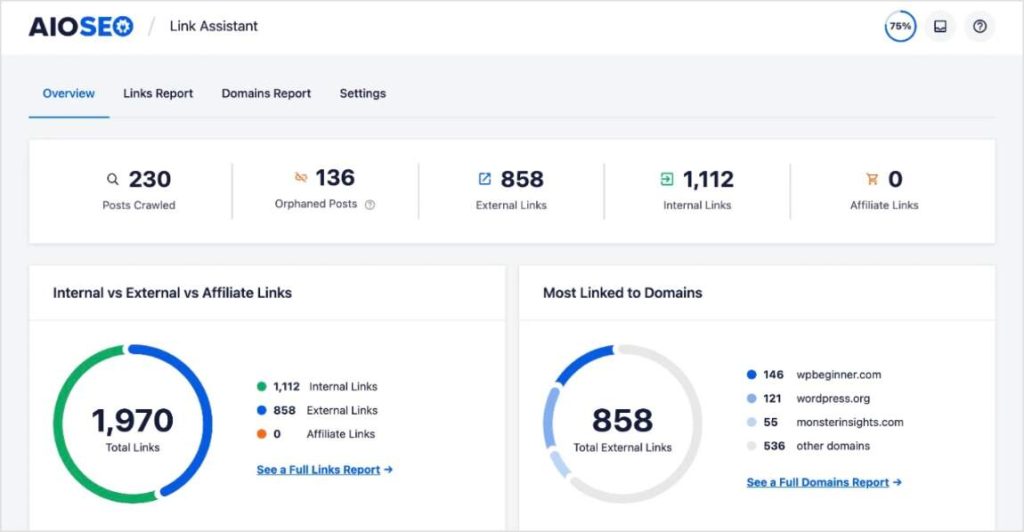
Er identifiziert Verlinkungsmöglichkeiten in Ihrem gesamten Katalog und hilft, die Verlinkung zu automatisieren, anstatt dass Sie jedes Produkt einzeln öffnen.
9. Brotkrümel zu Ihrer Kategoriehierarchie hinzufügen
Breadcrumbs sind besonders nützlich für die WooCommerce-Kategorie-SEO, da E-Commerce-Shops von Natur aus hierarchische Beziehungen enthalten.
Die Breadcrumbs-Funktion von AIOSEO ermöglicht es Ihnen, diese Navigationspfade anzuzeigen und entsprechende Breadcrumb-strukturierte Daten zu generieren. Um sie zu konfigurieren, gehen Sie zu:
All in One SEO → Allgemeine Einstellungen → Breadcrumbs
Aktivieren Sie Breadcrumbs und passen Sie Einstellungen wie den Link zur Startseite, Beschriftungen und Trennzeichen an.

Sie können sie dann mit dem AIOSEO Breadcrumbs-Block, Shortcode, Widget oder der Theme-Implementierung anzeigen.
Für E-Commerce-Websites erledigt dies 2 nützliche Dinge gleichzeitig: Käufer erhalten eine einfache Möglichkeit, zwischen den Kategorieebenen zu wechseln, während Suchmaschinen klarere Informationen darüber erhalten, wie Seiten miteinander in Beziehung stehen.
10. Überwachen Sie die Leistung Ihrer Kategorie-Seiten
Schließlich sollte die Optimierung nicht enden, wenn Sie auf Aktualisieren klicken.
Überwachen Sie, wie sich Ihre wichtigen Kategorieseiten im Laufe der Zeit entwickeln. Betrachten Sie Impressionen, Klicks, Rankings und die Suchbegriffe, die Käufer zu ihnen führen.
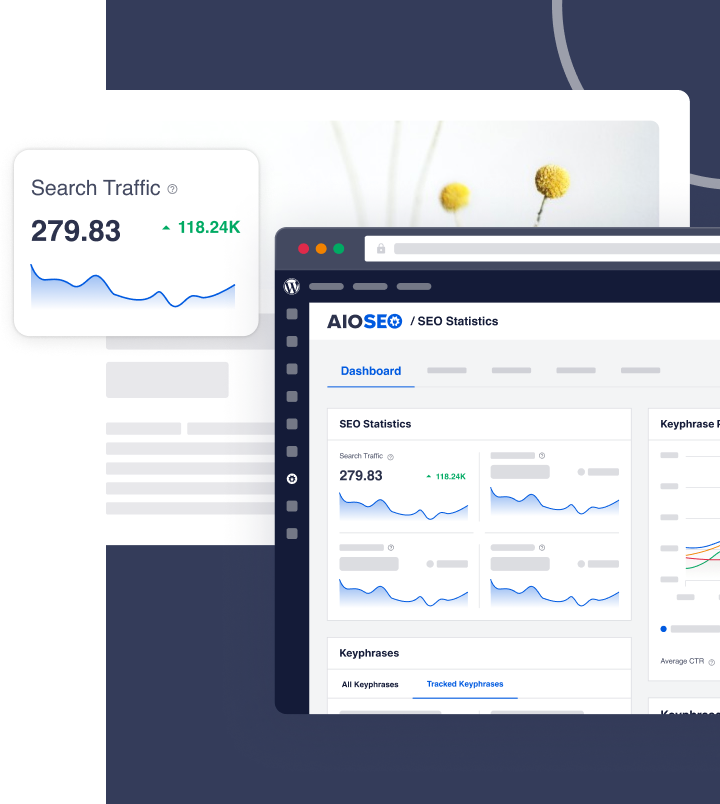
Die Suchstatistiken von AIOSEO bringen Daten aus der Google Search Console in WordPress und machen es einfacher, Seiten und Schlüsselwörter zu identifizieren, die sich verbessern oder verschlechtern.
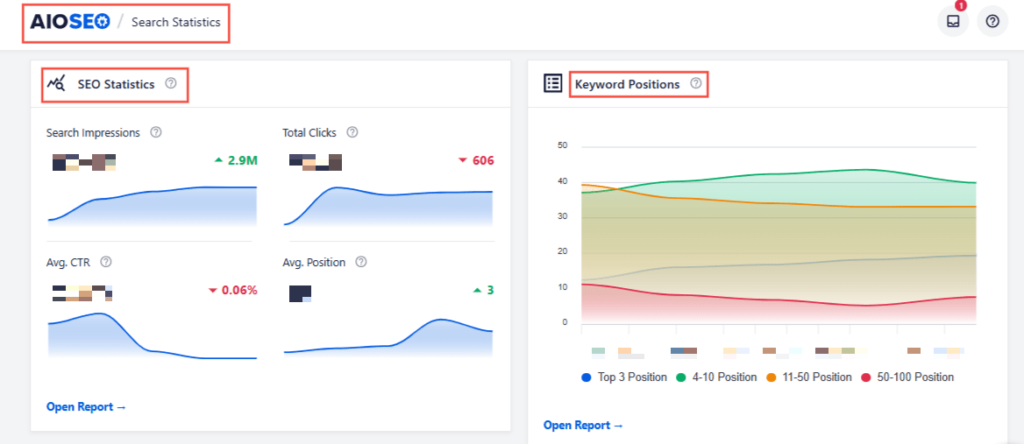
Wenn eine Kategorie beispielsweise viele Impressionen, aber nur wenige Klicks erhält, würde ich ihren SEO-Titel und ihre Beschreibung überarbeiten. Wenn sie für einen kommerziell wertvollen Begriff auf Seite 2 rankt, würde ich untersuchen, ob stärkere Inhalte, interne Links oder Autorität sie höher bringen könnten.
Ziel ist es, Kategorieseiten als eigene SEO-Landingpages zu behandeln, nicht einfach als Seiten, die WooCommerce zufällig generiert hat.
Kategorie-Seiten-SEO für WooCommerce: FAQs beantwortet
Beginnen Sie mit der Auswahl eines primären Keywords, das der Suchintention der Kategorie entspricht. Optimieren Sie den Kategorienamen, den SEO-Titel, die Meta-Beschreibung, die URL und die Beschreibung. Stärken Sie die Seite dann mit nützlichen internen Links, Breadcrumbs, optimierten Bildern und einer logischen Produkt-Hierarchie. Vermeiden Sie es, generische, schlüsselwortlastige Texte hinzuzufügen, nur um die Seite länger zu machen.
Ja. E-Commerce-Kategorieseiten können für breitere kommerzielle Suchanfragen besonders wertvoll sein, bei denen Benutzer mehrere Produkte durchsuchen möchten, anstatt einen bestimmten Artikel zu finden. Sie können auch die Website-Architektur stärken, indem sie breitere Themen mit relevanten Unterkategorien und Produktseiten verbinden.
Nützliche Kategorieseiten, die eine echte Suchnachfrage bedienen, sollten im Allgemeinen für die Indexierung verfügbar sein. Automatisch generierte Taxonomien, Filter, Tags oder nahezu doppelte Archive bieten jedoch möglicherweise keinen einzigartigen Wert, der eine Indexierung rechtfertigt. Bewerten Sie diese einzeln, anstatt anzunehmen, dass jedes WooCommerce-Archiv indexiert werden sollte.
Es gibt keine ideale Wortanzahl für eine E-Commerce-Kategorieseite. Fügen Sie genügend Inhalt hinzu, damit Käufer die Kollektion verstehen und eine Entscheidung treffen können, ohne die Produkte unter unnötigem SEO-Text zu begraben. Suchintention und Nützlichkeit sind wichtiger als das Erreichen einer willkürlichen Wortanzahl.
Nächste Schritte
Gutes Kategorieseiten-SEO überbrückt breite E-Commerce-Suchen und die einzelnen Produkte, die Sie verkaufen möchten.
Und die gute Nachricht ist, dass AIOSEO Ihnen hilft, viele dieser Elemente zu verwalten, ohne zwischen verschiedenen WordPress-Tools wechseln zu müssen. Sie können WooCommerce-Taxonomien optimieren, skalierbare SEO-Titelvorlagen erstellen, Breadcrumbs hinzufügen, Bilder verbessern, die Indexierung verwalten und die Suchleistung direkt in WordPress überwachen.
Am wichtigsten ist, dass Sie Kategorieseiten nicht als Platzhalter zwischen Ihrer Homepage und Ihren Produkten behandeln. Denken Sie bei breiteren kommerziellen Suchanfragen daran, dass die Kategorieseite möglicherweise genau die Seite ist, nach der Google und Ihr potenzieller Kunde suchen.
Offenlegung: Unsere Inhalte werden von den Lesern unterstützt. Das bedeutet, wenn Sie auf einige unserer Links klicken, können wir eine Provision verdienen. Wir empfehlen nur Produkte, von denen wir glauben, dass sie unseren Lesern einen Mehrwert bieten.
Möchten Sie AIOSEO kostenlos ausprobieren?
Geben Sie die URL Ihrer WordPress-Website ein, um AIOSEO Lite zu installieren.